BioticsAI Founder on FDA Approval, Fundraising, and Healthcare Realities
▼ Summary
– BioticsAI developed an AI copilot for ultrasound to detect fetal abnormalities, an area with high misdiagnosis rates.
– The company built an early product prototype for under $100,000, which helped them win TechCrunch Startup Battlefield in 2023.
– BioticsAI integrated clinical validation and regulatory strategy into product development from the start, securing FDA approval in January.
– Early engagement with regulators through pre-submission meetings helped the team align on study design and expectations.
– To keep the team motivated during long timelines, BioticsAI built a culture of alignment and ensured everyone saw wins from clinical studies and partnerships.
Building a company in healthcare means leaving the Silicon Valley mantra of “move fast and break things” at the door. The timelines are longer, the risks are higher, and success hinges on mastering a system that prizes rigor over speed.
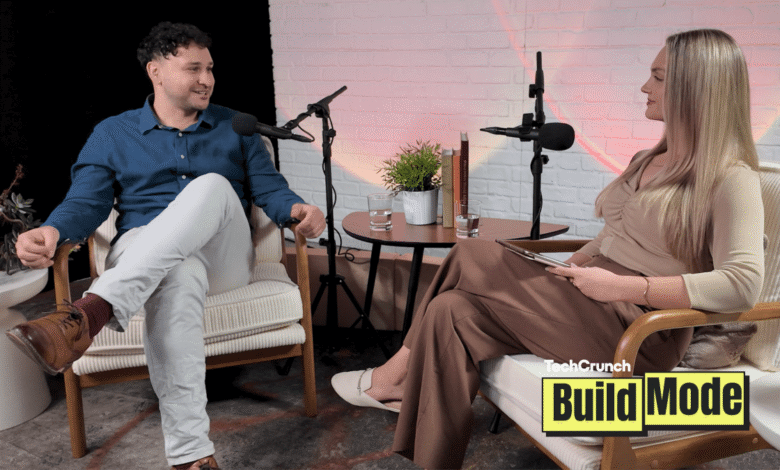
Robhy Bustami, co-founder and CEO of BioticsAI, knows this reality intimately. His company is building an AI copilot for ultrasound designed to detect fetal abnormalities, a field where misdiagnosis rates remain surprisingly high. Bustami recently sat down with Isabelle Johannessen on Build Mode to share how his team navigated a heavily regulated industry, kept morale high, and cut through bureaucratic red tape.
BioticsAI started lean. The team built a functional early prototype for under $100,000, a near-unheard-of feat in the medical device world. That prototype earned them a win at the TechCrunch Startup Battlefield in 2023, giving them early credibility and visibility. Then, in January, they secured FDA approval, unlocking the ability to launch in hospitals and scale the business at an entirely new pace.
From the very beginning, the company designed its product with FDA clearance as the ultimate goal. Rather than building first and tackling regulation later, they wove clinical validation, regulatory strategy, and product development into a single, unified process. That meant working hand-in-hand with clinicians, gathering large-scale datasets, and running structured clinical studies long before submitting an application.
The FDA approval process can feel like a black box, but Bustami argues that founders don’t have to navigate it blindly. Early engagement with regulators through pre-submission meetings helped the team align on study design and understand expectations. Still, risk never disappears. For many investors, the biggest question remains: What happens if the FDA says no?
Internally, the long timelines present a different kind of hurdle: keeping a team motivated when the biggest win is years away. At BioticsAI, that meant fostering alignment across engineers, clinicians, and researchers, ensuring everyone could see the smaller victories along the way.
“Making sure everyone is completely aligned, even if it’s outside of their technical scope,” Bustami explained, “constantly seeing wins on the R&D side,” whether from clinical studies or new healthcare partnerships.
Now, with FDA clearance secured, BioticsAI is entering the deployment phase. The company is beginning to roll out its technology in hospitals and plans to expand beyond obstetrics into broader areas of reproductive health.
Healthcare is a long game. It demands patience, discipline, and a willingness to operate in uncertainty. For founders who choose that path, the reward isn’t just a successful business , it’s the chance to build something that truly changes how care is delivered.
(Source: TechCrunch)