▼ Summary
– Vegan cheese often lacks casein, a milk protein crucial for proper melting and texture.
– A startup named AuX Labs is developing a method to produce animal-free casein using bioreactors.
– The company plans to partner with struggling microbreweries to use their existing fermentation equipment for production.
– AuX has raised $4 million in funding to commercialize its product, which aims to match dairy cheese’s taste and feel.
– This animal-free casein could significantly reduce the environmental impact of cheese production compared to traditional dairy.
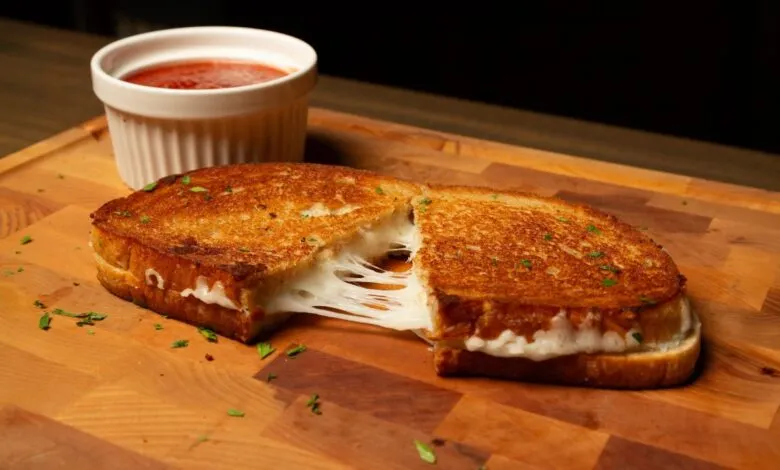
A common scene in pizzerias highlights a persistent challenge in the food industry. A customer inquires if a slice is vegan, only to reconsider upon learning it features plant-based cheese. This hesitation often stems from the product’s reputation as a disappointing imitation. The core issue has always been the absence of casein, the crucial milk protein responsible for dairy cheese’s signature texture and meltability. A new startup, however, believes it has solved this decades-old problem by creating real casein without any animal involvement.
AuX Labs is pioneering a method to produce animal-free casein through fermentation in bioreactors. While the concept of brewing proteins isn’t entirely new, AuX’s strategy for scaling production is innovative. The company plans to leverage an unexpected resource, the underutilized infrastructure of America’s struggling microbreweries. Following a period of explosive growth, the craft beer sector now faces a downturn with shifting consumer habits leading to significant excess capacity. AuX has specifically engineered its microbial strains and fermentation processes to work within these existing brewery setups.
This partnership offers a compelling mutual benefit. Microbreweries gain a new, stable revenue stream to bolster their operations without abandoning their core business. For AuX, it provides immediate access to fermentation tanks and facilities without the massive capital expenditure of building its own. “The challenge is how to use that capacity,” noted Ted Jin, AuX’s CEO, emphasizing that the infrastructure for a new food system already exists. The company recently secured $4 million in funding to advance its commercialization efforts, with backing from several venture firms.
The end goal is to distribute casein production across a decentralized network. Initially, AuX will work closely with partner breweries to ensure quality control. The long-term vision involves providing standardized kits containing proprietary microbes and instructions, enabling breweries to operate more autonomously. The resulting protein is biologically identical to its bovine-derived counterpart, promising vegan cheeses that finally deliver on stretch and melt. The environmental advantages are substantial, with projections indicating a drastic reduction in land and water use alongside roughly 90% lower greenhouse gas emissions compared to conventional dairy casein.
The potential market is enormous. Beyond the global cheese industry, valued at approximately $165 billion, casein serves as a key functional ingredient in countless other food products. While AuX’s initial focus is on perfecting cheese, its fermentation platform is designed to be flexible. The company hints at broader applications within the food system, driven by a mission to create more sustainable and ethical sources of nutrition. This novel alliance between biotech and brewing could mark a pivotal step toward that future, transforming idle tanks into engines for the next generation of food.
(Source: TechCrunch)