Blue Origin’s Stunning Success; Vive Le Baguette One!
▼ Summary
– Blue Origin’s New Glenn rocket successfully launched and its first stage returned to land precisely on a drone ship, marking a significant advancement in reusable rocket technology.
– Galactic Energy’s Ceres-1 rocket failed during its Sunday launch due to an early shutdown of its fourth stage, resulting in the loss of all three satellites it was carrying.
– The failed payloads included two satellites for China’s Jilin-1 Earth-observation constellation and one from Zhongbei University, with Galactic Energy issuing a public apology for the mission loss.
– The Ceres-1 rocket had previously recovered from a 2023 failure to achieve 11 consecutive successful launches before this recent setback, having debuted in 2020 with a capacity to lift 400 kg to low-Earth orbit.
– Italian firm Avio secured agreements with Raytheon and Lockheed Martin, granting them preferred access to solid rocket motors from its upcoming US manufacturing plant, which is expected to be operational by early 2028.
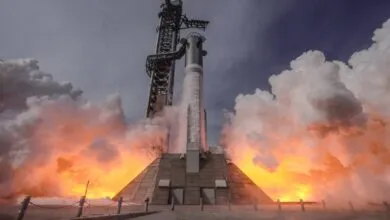
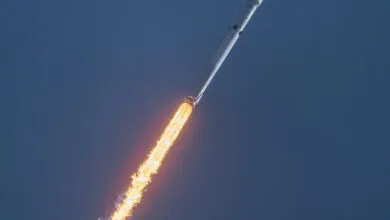
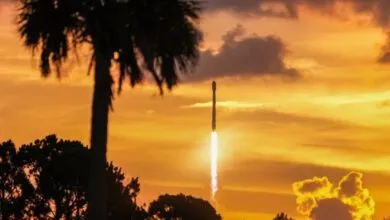
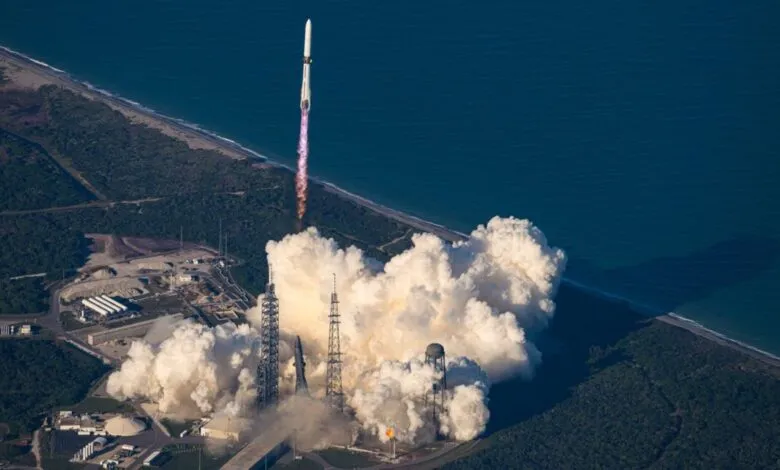
The successful launch and pinpoint landing of Blue Origin’s New Glenn rocket marks a pivotal moment for the commercial space industry, showcasing the robust capabilities of reusable heavy-lift launch vehicles. This spectacular achievement solidifies a new era in orbital access, where recovering and reusing major rocket components becomes standard practice. Observing the first stage descend, hover near its drone ship, and touch down perfectly centered was nothing short of breathtaking, promising a future with more frequent and affordable space missions.
We encourage our readers to contribute news tips and to subscribe using the form below to ensure they receive every edition. Our comprehensive reports cover developments across small, medium, and heavy-lift launch systems, along with a preview of the next three scheduled launches.
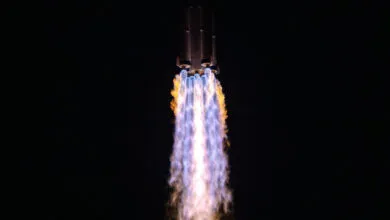
In a contrasting development, a private Chinese launch vehicle experienced a mission failure this week. Galactic Energy’s Ceres-1 rocket, a solid-fuel vehicle, departed from the Jiuquan Satellite Launch Center carrying three satellites. While the initial stages of the flight proceeded without issue, the fourth and final stage ceased operation prematurely. This malfunction resulted in the loss of all three payloads destined for low Earth orbit.
The lost satellites included two intended for the Jilin-1 Earth-observation network and one from Zhongbei University. Galactic Energy issued a public statement expressing its profound apologies to the mission’s customer and its supporters. The Ceres-1 rocket, capable of delivering 400 kg to orbit, had a strong track record prior to this incident. After a debut in 2020, it achieved nine consecutive successful flights before a failure in late 2023. The rocket had since recovered, completing eleven successful missions in a row before this recent setback.
In other industry news, the Italian aerospace company Avio has secured significant partnerships with major US defense contractors. The firm announced new agreements with Raytheon and Lockheed Martin, granting them preferred access to solid rocket motors. These motors will be produced at a new US-based manufacturing facility Avio plans to open. While the exact location remains undisclosed, the company expects the new plant to be fully operational by the beginning of 2028.
(Source: Ars Technica)