Beyond Data-Driven: The Next Era of Marketing
▼ Summary
– Data-driven marketing is becoming outdated as AI and predictive capabilities advance.
– The future of marketing may shift from being data-driven to being answers-driven.
– Context is increasingly important for effectively using data and AI in marketing.
– Marketing should be viewed as a system rather than just a stack of tools.
– Data governance is an urgent issue that needs attention in modern marketing.
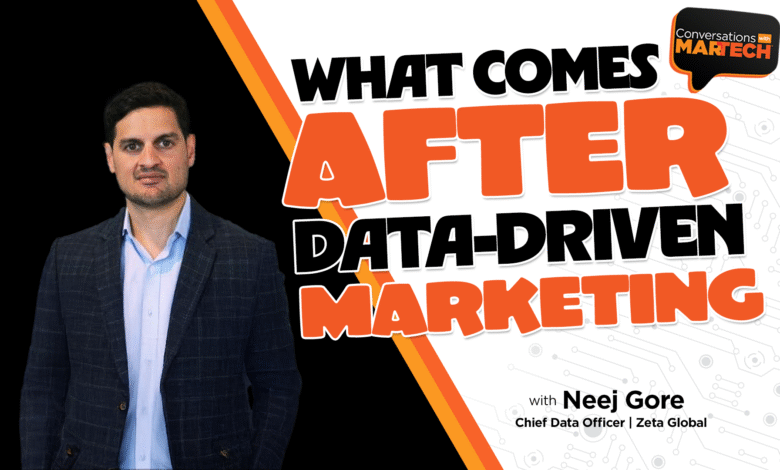
For years, the phrase data-driven marketing has been a cornerstone of modern strategy, almost a prerequisite for any professional’s LinkedIn bio. But as technology evolves, so must our approach. According to Neej Gore, Chief Data Officer at Zeta Global, the very concept of being data-driven may soon feel outdated. He suggests that relying solely on historical data misses the forward-looking potential that emerging technologies now offer.
During a recent discussion at Zeta Live! in New York, Gore explained that the next wave of marketing will shift from simply leveraging data to becoming answers-driven. This means moving beyond collecting and analyzing information to using artificial intelligence and predictive tools that deliver actionable insights in real time. The goal is not just to understand past performance but to anticipate future customer needs and behaviors.
A critical element in this evolution is context. Data alone can be misleading or incomplete. When enriched with context, such as a customer’s current situation, location, or recent interactions, data becomes far more powerful. AI systems that incorporate contextual signals can generate more accurate predictions and personalized experiences, making marketing efforts more relevant and effective.
Gore also emphasized rethinking marketing infrastructure. Instead of viewing it as a stack of disconnected tools, he advocates treating marketing as an integrated system. A unified system allows for seamless data flow, better collaboration across channels, and more agile responses to market changes. This holistic perspective reduces silos and enhances the overall impact of marketing initiatives.
Another area of growing importance is data governance. As companies collect and use more customer information, ensuring its accuracy, security, and ethical application becomes urgent. Proper governance frameworks not only mitigate risks but also build consumer trust, which is essential for long-term success.
When asked to summarize the future of marketing in one word, Gore chose “empathy.” This may come as a surprise in a field often dominated by metrics and algorithms. However, he believes that the ultimate goal of advanced marketing technology is to foster genuine human connections. By understanding and addressing individual customer emotions and needs, brands can create more meaningful engagements that drive loyalty and growth.
(Source: MarTech)