NASA Chief Shakes Up Moon Landing Plans
▼ Summary
– NASA acting administrator Sean Duffy announced that SpaceX is behind schedule in developing the Starship lunar lander.
– Duffy publicly acknowledged that NASA’s 2027 target for a crewed lunar landing is no longer achievable.
– He plans to expand the competition for a human lunar lander to include companies like Blue Origin and others.
– SpaceX had previously won a $2.9 billion NASA contract in 2021 to develop the Starship as a human landing system.
– Blue Origin later secured a $3.4 billion contract in 2023 to develop a second lunar lander for NASA.
NASA’s acting administrator, Sean Duffy, has announced a major strategic shift in the agency’s approach to returning astronauts to the Moon, signaling delays in the current timeline and a new competitive push for lunar lander development. During television interviews on Monday, Duffy pointed to SpaceX falling behind on its Starship lunar lander schedule as a primary reason for the change. He also made it clear that the previously targeted date of 2027 for a crewed Moon landing is no longer considered feasible.
In his remarks, Duffy emphasized the urgency of the mission, stating that the President is determined to ensure the United States reaches the lunar surface before China and within the current presidential term. To accelerate progress, Duffy revealed his intention to broaden the competition for developing a human-rated lunar lander. He suggested that this move would likely involve other aerospace companies, such as Blue Origin, creating a competitive “space race” among American firms to determine which can successfully deliver a lander first.
The public statements from a high-ranking NASA official carry significant weight. They represent the first official admission that the 2027 timeline is now unrealistic. Furthermore, the timing of these announcements appears strategically chosen, coinciding with internal discussions and political maneuvering surrounding the future leadership of the space agency.
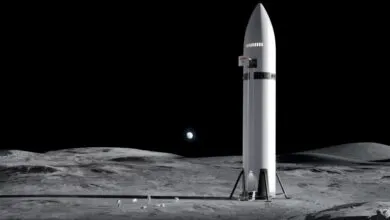
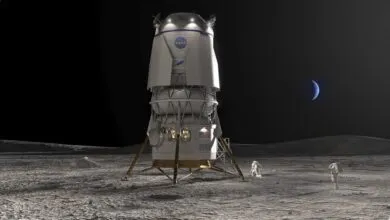
The context for this shift lies in the existing contracts NASA has already awarded. SpaceX secured a $2.9 billion contract in April 2021 to adapt its Starship vehicle into the Human Landing System (HLS). This vehicle is a critical component of the Artemis mission architecture, designed to ferry astronauts from the Orion spacecraft in lunar orbit down to the Moon’s surface and back. Subsequently, in a move to ensure redundancy and competition, NASA awarded a second HLS contract to Blue Origin, valued at $3.4 billion, for the development of an alternative lander design.
(Source: Ars Technica)