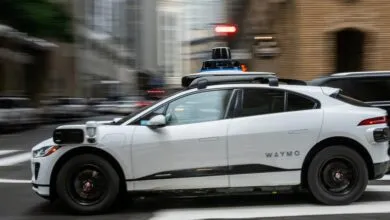
Waymo’s Vision: Robotaxis as the Future of Public Transit

▼ Summary
– Waymo is partnering with Via to integrate its autonomous vehicles into public transit, starting with Chandler, Arizona’s Flex service.
– The service will operate Monday through Friday with fares as low as $1 for seniors and free for students, using the Chandler Flex app.
– This initiative aims to expand access to Waymo’s driverless technology through low-cost, fixed-route rides integrated with public transit.
– Via provides the software that enables flexible, on-demand routing while meeting accessibility and reporting requirements for transit systems.
– While some experts worry autonomous vehicles could reduce transit ridership, this microtransit model seeks to complement rather than replace public transportation.
The future of urban mobility is taking a significant leap forward as Waymo partners with tech transit startup Via to weave autonomous vehicles into the fabric of public transportation. This collaboration kicks off in Chandler, Arizona, a bustling suburb of Phoenix, where self-driving cars will soon become part of the city’s Flex microtransit network. Riders using the Chandler Flex app may find themselves matched with a fully autonomous Waymo vehicle, offering seamless connections to existing Valley Metro bus routes.
Operating from 6AM to 9PM on weekdays, the service provides an affordable transit solution with rides costing just $2 for regular passengers, $1 for seniors and wheelchair users, and free rides for middle and high school students. This initiative builds on Waymo’s recent expansion of teen accounts in Phoenix, allowing riders as young as 14 to use the service independently.
While Phoenix residents have had access to Waymo’s robotaxis through its own app or Uber for some time, this partnership marks a shift toward integrating autonomous technology into structured, low-cost public transit. The fixed fare and planned route structure aim to make driverless transportation accessible to a broader demographic, including those who might not typically use ride-hailing services.
Via, the technology provider behind Chandler Flex, offers software and operational support that enables cities to design flexible transit routes based on real-time demand. The platform also helps agencies meet federal accessibility and reporting standards. If successful, Waymo and Via intend to propose similar microtransit models to other municipalities looking to enhance their public transportation offerings.
This isn’t Waymo’s first foray into public transit integration. Previous efforts included offering credits to Bay Area customers using robotaxis to connect with transit stations and providing discounts for transit riders in Los Angeles. However, some transportation analysts express concern that autonomous ride services could draw passengers away from traditional public transit, potentially leading to reduced service frequency or coverage. Many ride-share users prefer direct trips without transfers, and cost remains a barrier for lower-income riders who rely on public transit.
Microtransit partnerships like the one in Chandler offer a middle ground, combining the flexibility of on-demand service with the affordability and structure of public transportation. Waymo is not alone in exploring this model; Michigan-based May Mobility previously collaborated with Via to offer free autonomous rides in Sun City, Arizona, though that program has since ended. These experiments highlight a growing interest in blending autonomous technology with public transit to create more efficient, inclusive urban mobility systems.
(Source: The Verge)