▼ Summary
– Choose between behind-the-ear (BTE) or in-the-ear (ITE) hearing aids based on comfort and style, with BTE models being more traditional and ITE models more discreet.
– Decide between rechargeable batteries (convenient but shorter lifespan) or replaceable batteries (longer-lasting but require handling small cells).
– OTC hearing aids require self-adjustment via smartphone apps, unlike prescription aids fitted by specialists, which may lack personalized care.
– Check the manufacturer’s customer support quality, as it varies widely, with some brands like Jabra offering better assistance than others.
– Look for trial periods and warranties before purchasing, ensuring coverage for defects, loss, or damage, with longer warranty periods being preferable.
Choosing the right OTC hearing aid requires careful consideration of several key factors to ensure you invest in a device that meets your needs. With so many options available, understanding the differences in design, battery life, adjustability, and support can make all the difference in your hearing experience.
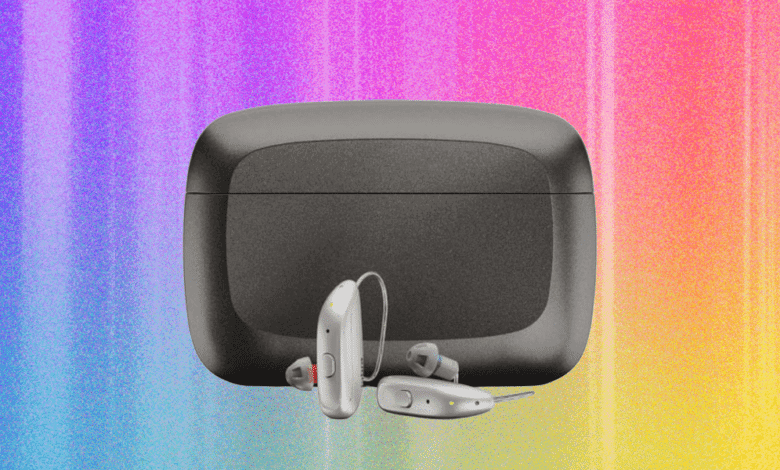
Size and style play a major role in comfort and usability. Behind-the-ear (BTE) models feature a small case housing the electronics, with a discreet cable leading to a receiver inside the ear canal. These are known for their stability and powerful amplification. In-the-ear (ITE) models, resembling wireless earbuds, offer a more subtle appearance and easier insertion. While modern BTE devices are far sleeker than older versions, the choice ultimately depends on personal preference and comfort.
Battery life is another critical factor. Many OTC hearing aids now come with rechargeable batteries and portable charging cases, providing roughly a week of use before needing a recharge. Standalone, they typically last between 10 to 24 hours, though Bluetooth streaming can reduce this time. Some models, like the Sony CRE-C10, use replaceable batteries that last up to 70 hours, ideal for extended use but less convenient for those who struggle with small battery replacements.
Self-adjustment capabilities vary by device. Unlike prescription hearing aids, which are professionally fitted, OTC models require users to fine-tune settings themselves, often via a companion app. While this offers flexibility, it may not provide the same level of precision as an audiologist’s expertise.
Customer support quality differs widely across brands. Some companies, such as Jabra, offer robust assistance, while others provide minimal guidance. Researching a brand’s reputation for service can save frustration down the line.
A trial period is essential for testing compatibility. Many states mandate return policies, but verifying the terms before purchasing ensures you won’t be stuck with an unsuitable device. Similarly, a strong warranty covering defects, damage, and wear adds long-term value. Look for coverage that extends beyond the standard one-year period for greater peace of mind.
By weighing these factors, you can confidently select an OTC hearing aid that enhances your hearing without unnecessary compromises.
(Source: Wired)