DJI Osmo fans escape closed-source camera app limits

▼ Summary
– DJI’s official apps are bloated, closed-source, and rely on cloud servers, making them the only easy way to manage and wirelessly download footage from pocket cameras.
– Osmosis, a free open-source app created by developer Konrad Iturbe with help from Claude, aims to replace DJI’s official Osmo app.
– Iturbe reverse engineered the protocol DJI cameras use to communicate with the official Osmo app to build Osmosis.
– Osmosis allows users to download files, view thumbnails, stream low-res previews, trim clips, set favorites, and filter content by photos or videos.
– The app offers a more streamlined and privacy-friendly alternative to DJI’s official software for reviewing and managing camera footage.
DJI hardware has earned a loyal following, but the software that powers it often leaves users frustrated. The official Osmo companion app, while functional, is a heavyweight piece of closed-source code that frequently communicates with DJI’s cloud infrastructure. For years, anyone wanting to review footage or transfer files wirelessly from a pocket camera had no real alternative. That limitation has now been challenged by a new community-driven project.
Osmosis is a free, open-source application created by Konrad Iturbe, a developer and journalist known for tracking DJI’s ecosystem. Built with assistance from Anthropic’s Claude, the app sidesteps the official software entirely by reverse engineering the communication protocol DJI cameras use to sync with the Osmo app. The result is a leaner, more privacy-conscious tool that restores local control over your own media.
The feature set goes beyond simple file transfers. Osmosis lets users browse thumbnail previews, stream low-resolution video for quick checks, and trim clips directly on the device. You can mark favorites, filter your library to show only photos or only videos, and manage your footage without the overhead of DJI’s native interface. Because it operates without phoning home, your data stays on your device and your network.
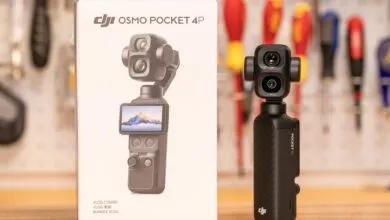
For photographers and videographers who rely on the DJI Osmo Pocket series, this represents a meaningful shift. The official app has long been a point of friction, especially for users who prefer minimal software footprints or who are wary of cloud-based telemetry. Osmosis offers a path to the same core functionality with greater transparency and user autonomy.
Iturbe’s work continues a pattern of independent developers filling gaps left by major hardware makers. By opening up the protocol, he has effectively given users a choice they didn’t have before. The project is available now on GitHub, and it is already drawing attention from the DJI community as a viable day-to-day replacement for the stock app.
Whether you are a casual shooter or a professional working in the field, the ability to manage your footage on your own terms is a welcome development. Osmosis does not just replicate the official app; it reframes what a camera companion can be.
(Source: The Verge)