ASUS Debuts ProArt P16, P14 & Mini PC with NVIDIA RTX Spark at Computex 2026
▼ Summary
– ASUS announced the ProArt P16, P14 laptops and ProArt Mini PC at Computex 2026, powered by NVIDIA RTX Spark.
– The devices offer 1 petaflop AI performance and 128GB of unified memory.
– They feature Lumina Pro OLED displays and all-day battery life.
– Local AI agents will launch with these devices in fall 2026.
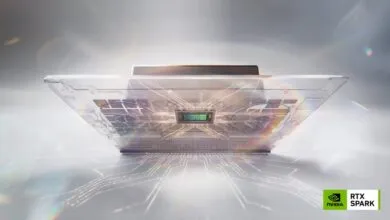
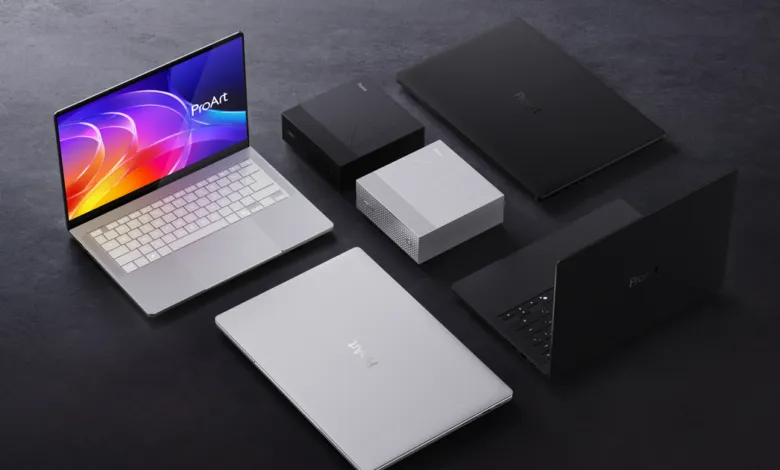
ASUS has taken the wraps off its latest ProArt lineup at Computex 2026, introducing the ProArt P16, ProArt P14 laptops, and a ProArt Mini PC all powered by NVIDIA RTX Spark. These new machines are designed to push creative workflows into a new era, boasting a staggering 1 petaflop of AI performance.
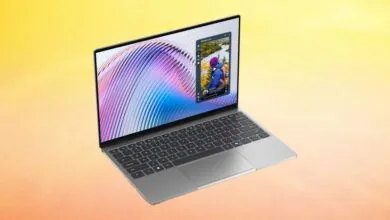
The flagship laptops come equipped with up to 128GB of unified memory, ensuring that even the most demanding rendering and multitasking tasks remain fluid. Visual fidelity is handled by Lumina Pro OLED displays, which promise exceptional color accuracy for photographers, videographers, and designers. ASUS also emphasizes all-day battery life, a critical feature for mobile creators who need reliable performance away from a power outlet.
Perhaps the most forward-looking announcement is the integration of local AI agents, scheduled to launch in fall 2026. These agents will run directly on the device, leveraging the RTX Spark architecture to handle complex generative AI tasks without relying on cloud connectivity. This shift could significantly reduce latency for real-time creative edits and enhance data privacy for sensitive projects.
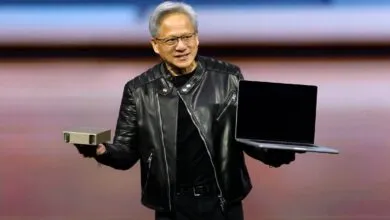
The ProArt Mini PC rounds out the lineup, offering a compact form factor without sacrificing the high-performance compute capabilities that creative professionals demand. By combining the RTX Spark GPU with ASUS’s thermal engineering, the Mini PC is positioned as a silent but powerful hub for studio environments.
With these announcements, ASUS is clearly betting that the future of content creation lies in on-device AI acceleration. The combination of massive unified memory, high-refresh OLED panels, and dedicated AI processing units suggests a deliberate strategy to compete directly with Apple’s high-end Silicon offerings, while giving Windows users a tailored creative ecosystem.
(Source: Asus.com)