Xbox Fans’ Backlash Over PlayStation Logos Is Really About Distrust
▼ Summary
– Xbox’s decision to show competitor logos (PlayStation, Switch, Steam) at its June showcase triggered backlash due to a lack of trust in Microsoft’s commitment to Xbox hardware.
– Microsoft’s history of canceling services (e.g., Skype, Windows Phone) and recent moves like bringing Halo to PlayStation have eroded user confidence in its long-term platform support.
– Unlike competitors who use exclusive marketing to protect their ecosystems, Xbox’s logo-sharing signals a focus on software sales over hardware, alarming invested customers.
– Xbox fans fear that without exclusive games, new users won’t buy Xbox hardware, potentially leading Microsoft to eventually kill the console.
– The article argues that Microsoft must rebuild trust through consistent, long-term actions, though it also asks for patience with new Xbox CEO Asha Sharma.
During a recent episode of the Xbox Two Podcast, my co-host and I found ourselves spending an unexpected amount of time dissecting logos. If you aren’t as deeply immersed in online gaming discourse as I am, you might wonder what that even means.
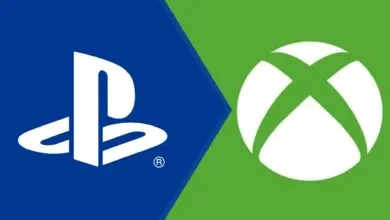
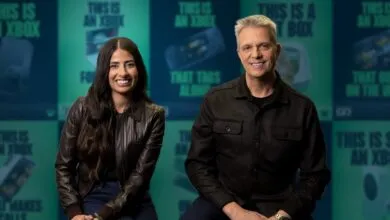
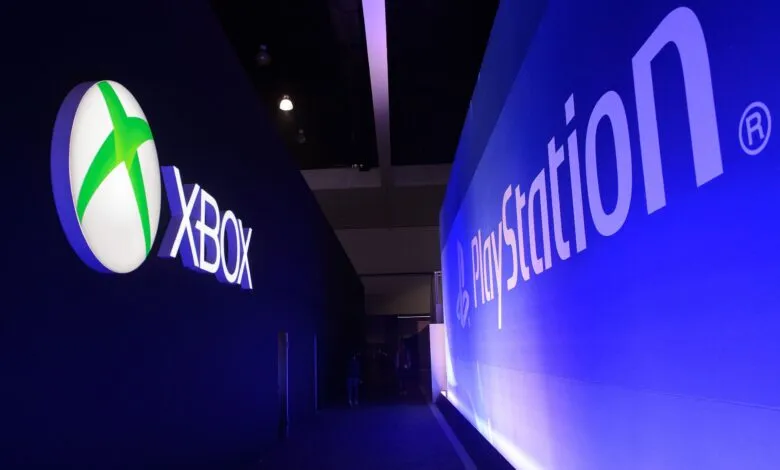
Here’s the context: Xbox CCO Matt Booty stirred up a notable reaction on X when he confirmed that Microsoft will continue displaying competitor platform logos during its Xbox Showcase on June 7. PlayStation, Switch, and Steam logos will appear alongside Xbox’s own branding , a move that none of Microsoft’s rivals would ever consider. Shortly after, Xbox CEO Asha Sharma acknowledged the oversight and promised to reassess future presentations.
To be honest, 99% of people probably don’t care about this, if they even know it happened. Still, it sparked a wave of criticism from those deeply invested in the Xbox ecosystem for a variety of reasons.
Setting aside toxicity and fanboyism, there’s a logical undercurrent here that often gets lost in the noise. The core issue is that Xbox is frequently held to a different standard than its competitors. More importantly, Microsoft has lost the trust of its core audience.
The logos themselves aren’t the real story.
Sure, some people are just gatekeeping and indulging in console war turf battles. But for the majority, this isn’t about petty rivalry. It’s about tracking Microsoft’s behavior and reading the tea leaves.
People simply do not trust that Microsoft has Xbox’s best long-term interests at heart.
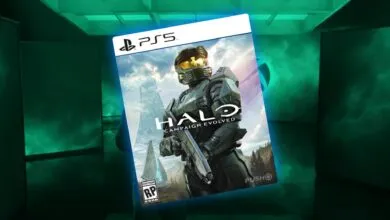
Driven by its “30 by 30” margin goals, Microsoft went on a sprint of disastrous, anti-community decisions that blindsided users and shattered decades of convention. Master Chief is no longer Xbox’s iconic hero , he’s no longer analogous to Nintendo’s Mario or PlayStation’s Kratos. Instead, he’s heading to PlayStation as part of a remaster, a move seen as either symbolic or actual capitulation.
Gamers who remember SEGA bowing out of hardware also recall Microsoft canceling massive services like Skype and Windows Phone. Microsoft doesn’t need gaming to survive, especially in the AI era. So fans are on high alert every time Microsoft hints it might want to stop being a platform holder.
None of Xbox’s competitors would ever dream of doing this, nor does anyone expect them to. Why? Because it’s basic business logic. PlayStation and others want Xbox to die, and they want to absorb its users into their ecosystems.
I’ve had countless conversations with people who assumed certain games were PlayStation exclusives simply because Sony secured exclusive marketing rights. Remember the uniquely exclusionary marketing deal for Destiny 2? Microsoft had to get creative just to advertise the game without directly naming it.
That’s competition. PlayStation and others project themselves as companies that want to win platform market share. By showcasing competitors’ logos, Xbox projects itself as a company prioritizing software sales over its own hardware ecosystem.
For Xbox customers who have invested hundreds or thousands of dollars into this ecosystem, any hint that Microsoft might be moving away from its struggling hardware , intentionally or not , is heavily amplified. Fair or not.
I believe we Xbox customers could show more patience to new Xbox CEO Asha Sharma. She’s only been in the job a few weeks. But I also ask onlookers , inside and outside Microsoft , to recognize that Microsoft itself created this environment of distrust.
The same logic applies to the exclusives debate. Xbox fans overwhelmingly favor pulling games from PlayStation. It’s pure math: if PlayStation has exclusives and Xbox doesn’t, why would new users buy an Xbox? If new users stop coming, doesn’t that mean Microsoft will eventually kill Xbox?
Years of inconsistency, short-term thinking, and broken promises take their toll. I’m not naïve , some people are just console warring and using this as an excuse to be toxic online. But for real fans, it’s not about that. Don’t blame the customers. They’re simply advocating for themselves. It’s logical, following the most obvious conclusions.
If Xbox wants to have its cake and eat it too, it needs to prove that its decisions won’t lead to the death of Xbox hardware.
For what it’s worth, I predicted Surface would be dead by now, but Microsoft has kept it going far longer than I expected. I want to believe Microsoft understands it’s saving itself a headache by continuing with its own hardware endpoints. Google and Apple have locked Microsoft out of the entire mobile computing paradigm, and they might do the same with artificial intelligence. Between Google’s Android desktop experiments, Apple Silicon MacOS, and Valve’s SteamOS, Windows itself faces more competition than ever.
Microsoft cleverly positioned itself further back in the stack by becoming the cloud infrastructure provider, powering everything other platforms do , but it faces huge competition there too.
The lack of trust is one thing Microsoft desperately needs to work harder to earn back.
Many of Microsoft’s software services are bottlenecked by its lack of control over endpoints like iOS and Android. A healthy, home-grown ecosystem like Xbox is a moat against this. To be fair, CEO Satya Nadella said internally that he is “long on gaming” at a recent town hall , but it’s hard to believe the guy who was all-in on “the metaverse” just a couple of years ago.
Microsoft could do much more to show it’s serious about its own platforms long-term, whether that’s Microsoft Edge, Surface, or Xbox itself.
The lack of trust is one thing Microsoft desperately needs to work harder to earn back. But we could all use a bit more patience, too.
(Source: Windows Central)