How to Combine Great Content with Strategic Outreach
▼ Summary
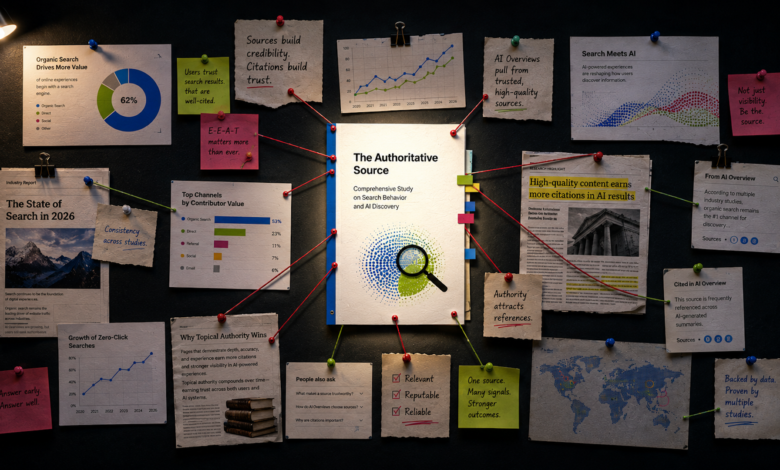
– Backlinks remain a key signal of authority for both Google and LLMs, indicating trust and relevance.
– Effective link building comes from creating content people naturally want to reference and share, not from chasing link numbers.
– Strategic outreach should follow creating relevant content, targeting writers and journalists with a timely, useful perspective.
– Focus on a smaller number of deeply authoritative pieces for LLM visibility, as depth and concentrated authority matter more than volume.
– Evergreen resources accumulate citations over time, offering more durable SEO and AEO value than short-term news-focused content.
The importance of establishing authority through link building has only intensified as search expands into large language models (LLMs). Today, your content competes with more sources than ever, including AI-generated results in the SERP and content from other publishers produced by generative tools.
Yet backlinks remain critical signals of authority for both Google and LLMs. These placements tell algorithms that your brand is trustworthy and relevant. If you’ve been in SEO for long, you likely still receive daily LinkedIn messages from “link building agencies” promising a fixed number of links. That approach fundamentally misses the point.
The most effective link building strategy is creating content people genuinely want to reference and share. I call this writing content with link intent.
The philosophy driving content with link intent
Link building and content creation should be part of the same process, though I’ve found that is rarely the case. Treating link building as a separate initiative increases the likelihood that you’ll optimize for links alone, ignoring down-funnel effects. Instead, start by thinking about who in your community cares, or should care, about what you’re writing and why.
Content created from this mindset, rather than a quantity-driven “must get links” mentality, has a much better chance of passively earning links and building clout in both traditional and AI search over time. When your content is genuinely useful and relevant, people naturally want to share and reference it without the need for spammy emails or InMails.
Where strategic outreach fits
Strategic outreach works best after the relevance work is done. This means identifying the writers, journalists, and creators already covering your topic and showing them why your perspective adds something timely, useful, or differentiated from other sources they could reference. In many cases, the strongest opportunities come from content tied to reference-intent topics such as statistics, benchmarks, reports, or highly relevant industry developments.
If you’re working in content and link building silos, your teams are probably focused on hitting a target number of links, requesting link swaps, or promoting content without considering whether it’s actually useful or relevant. In my experience, that approach often ignores whether the content genuinely benefits your brand, which runs counter to what good content should accomplish.
Content that provides genuine value and enhances the user experience will naturally appeal to people seeking credible sources for their own work. If you can produce content strong enough to contribute meaningfully to a topic’s discourse, it will attract links. Google, ChatGPT, Claude, and other platforms will recognize its relevance. This is a much deeper and more integrated approach than chasing raw link numbers.
From what we know about LLMs, they favor content that credible sources treat as the definitive reference on a topic. That means depth and concentrated authority matter more than volume.
The business significance of effective link intent
If LLM visibility is your goal, focus your efforts on a smaller number of high-value, deeply authoritative pieces instead of casting a wide net. I can confidently say I’ve won several clients for my agency because of the content I’ve written. Many B2B businesses can probably say the same.
Content strong enough to generate passive links also has a strong chance of being shared and driving referral traffic, which remains undervalued in SEO. Valuable content produced with link intent naturally builds links and SEO/AEO equity over time, creating a built-in snowball effect. Beyond reducing time spent on outreach, it can create a network of related sites and publishers that continue driving referral traffic and long-term value. Think of it as an organic version of affiliate marketing, which continues to grow as a channel.
Considerations for content that builds link intent
There are good reasons to create content on news-related topics, such as offering a perspective on a new platform release or a product in your industry. Newsjacking remains a proven PR tactic that can help you earn citations in relevant outlets. But if your content resources are limited, it’s useful to weigh the pros and cons of news-focused versus evergreen topics. News-focused content may generate clusters of links in the short term, but those topics also lose relevance more quickly over time.
Evergreen resources can continue accumulating citations and links long after the news cycle moves on. That durability carries weight in both SEO and AEO because LLMs aren’t primarily trained on this week’s headlines. Specificity and timing can increase a piece’s citation potential even when the topic itself is evergreen. Advice targeted to hay fever sufferers during a particularly severe pollen season, for example, is more likely to attract attention and references than generic sleep advice published without context.
Honing in on intent-driven link building
Todoist is a good example of this approach in practice. Its unique presentation of productivity methods has generated hundreds of referring domains, a number that has grown 50% year over year and contributed meaningfully to the brand’s growth. I talk with many SEOs these days who place less emphasis on link building than they did years ago. In my opinion, that has less to do with links losing importance and more to do with outdated link building tactics becoming ineffective.
A link-intent approach that combines strong content with strategic outreach is more effective, evergreen, and efficient than siloed content and link initiatives. It also strengthens your brand’s reputation while driving incremental traffic and improving the overall user experience.
(Source: Search Engine Land)