Waymo launches passenger rides with new Ojai robotaxi
▼ Summary
– Waymo will begin offering free rides in its new Zeekr RT minivan (rebranded as Ojai) to select riders in San Francisco, Los Angeles, and Phoenix before expanding paid trips.
– The Ojai debuts Waymo’s sixth-generation system, replacing the discontinued Jaguar I-Pace, and will be followed by the Hyundai Ioniq 5 and future Toyota models.
– Waymo partnered with Chinese automaker Geely to design the Ojai, and imports the vehicles stripped of connected software to avoid Chinese software restrictions.
– The sixth-generation system uses fewer sensors but features more powerful cameras, lidar, and radar, and is built for high-volume production of tens of thousands of units per year.
– The Ojai has a more spacious cabin with accessibility features like a flat floor and braille, and the announcement follows recent Waymo issues including a software recall and suspended freeway driving.
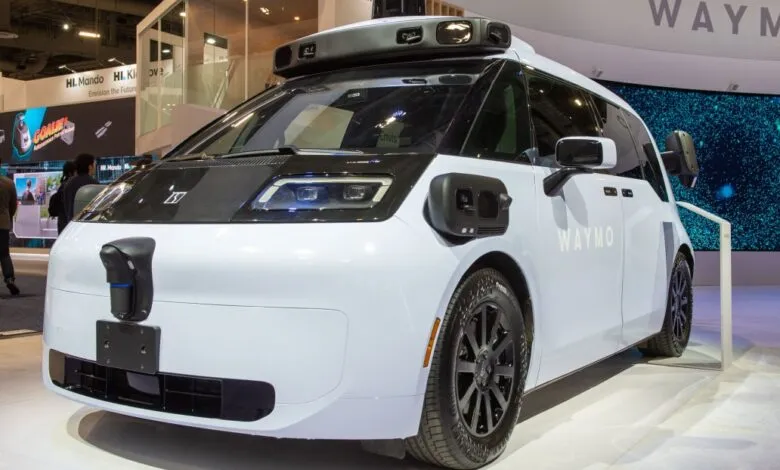
After months of behind-the-scenes testing, Waymo is now opening the doors to its newest autonomous vehicle for select passengers. The Zeekr RT minivan, rebranded as the Ojai, will begin offering free rides to a limited group of riders in San Francisco, Los Angeles, and Phoenix. The company plans to gradually expand access to more users and cities, using the initial free trips to gather data on the passenger experience before transitioning to paid rides.
Waymo’s current fleet relies on the Jaguar I-Pace, which runs on its fifth-generation technology that debuted in March 2020. However, that vehicle has reached the end of its lifecycle after Jaguar discontinued the model at the close of 2024. The Ojai marks the debut of Waymo’s sixth-generation system, with the Hyundai Ioniq 5 set to follow. Waymo is also partnering with Toyota for future models.
It has been nearly four years since Waymo first unveiled the Zeekr minivan as its next purpose-built autonomous ride-hail vehicle. This marks the second ground-up design for the company, following the original Firefly , the iconic tiny bubble car that was retired in 2017.
To build the Ojai, Waymo partnered with Chinese automaker Geely, which owns brands like Volvo, Lotus, and Polestar, along with a stake in luxury British automaker Aston Martin. Geely primarily produces luxury vehicles for the Chinese market, which could pose a challenge for Waymo given high tariffs and restrictions on importing vehicles with Chinese software. However, Waymo has confirmed that vehicles imported from Zeekr have been stripped of any connected software, allowing them to sidestep the ban.
Waymo describes its sixth-generation system as the smartest and most capable autonomous vehicle it has ever designed, while also using fewer sensors to reduce costs. The cameras are more powerful, the lidar can detect objects that cameras might miss, and the improved radar handles extreme weather conditions more effectively. Crucially, the system is built for high-volume production, with manufacturing partners capable of producing tens of thousands of units per year.
The Ojai features a more spacious cabin with increased legroom, three large screens, charge ports, and cupholders. It can accommodate up to four passengers but is designed to be more accessible than previous models, with a flat floor, low step height for easier entry, braille instructions, and grab bars. The vehicle is also easier to maintain and clean, with faster EV charging and increased battery capacity.
This rollout comes at the end of a turbulent period for Waymo. The Alphabet-owned company recently suspended freeway driving across all its cities due to concerns about how its vehicles reacted to construction zones. The pause followed incidents where robotaxis were spotted driving through flooded roads at high speeds in Texas, prompting a software recall for the entire fleet, including sixth-generation vehicles.
(Source: The Verge)