Matter, OpenADR Partner to Link Smart Homes to the Grid

▼ Summary
– The organizations behind Matter and OpenADR announced an agreement to work together, aiming to simplify smart energy management and make it easier for connected appliances to participate in demand response programs.
– Matter will handle in-home communication between smart appliances and an energy gateway, while OpenADR 3 will manage communication between the gateway, utilities, and the grid.
– In demand response programs, customers reduce or shift electrical usage for bill credits, and the partnership aims to automate this process via connected appliances like EV chargers, heat pumps, and solar installs.
– The partnership should enable appliances to make small energy reductions during high demand, such as a freezer delaying a defrost cycle or a washing machine postponing a start.
– By connecting more appliances to the grid through a standardized protocol, utilities could see significant aggregate benefits, and homeowners could unlock savings while helping balance grid needs.
The organizations steering Matter, the widely adopted smart-home interoperability standard, and OpenADR, the protocol that connects homes to the power grid, have formally joined forces. This partnership aims to simplify how smart appliances interact with utility-run demand response programs, potentially putting more money back in homeowners’ pockets.
Demand response programs reward customers for voluntarily reducing or shifting their electricity use during peak times, typically through bill credits. Until now, the fragmented landscape of communication standards has made it cumbersome to automate this process across different devices and utilities. The Connectivity Standards Alliance, which oversees Matter, and the nonprofit OpenADR Alliance have now outlined a clear technical pathway to change that.
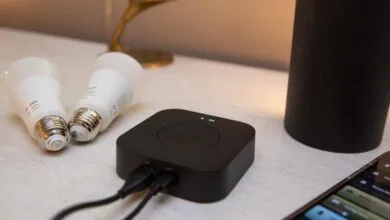
Under the new framework, Matter will manage all in-home communication between a connected appliance,be it an EV charger, a heat pump, or a solar installation,and a central energy gateway that collects real-time usage data. From there, the OpenADR 3 protocol takes over, relaying information between the gateway, the utility company, and the broader grid. This creates a seamless, end-to-end link from the power station straight to your home’s most energy-hungry devices.
When grid demand spikes, these appliances can make small, automated adjustments. A freezer might postpone its defrost cycle, a washing machine could delay the start of a load, or a water heater might briefly pause heating. Historically, demand response has focused almost exclusively on HVAC systems, since they consume the most energy in a typical home. But by integrating a wider array of devices, utilities could achieve much larger aggregate savings.
A joint press release from the CSA and the OpenADR Alliance states that this collaboration should make it easier for manufacturers to build products that are ready for demand response programs. For utilities, it promises a “standardized, scalable mechanism” to manage energy loads across thousands of homes.
As the push toward home electrification accelerates, connecting more appliances to the grid in this way could unlock significant savings for consumers while helping utilities maintain a stable, balanced power supply.
(Source: The Verge)