Pixel 10’s May 2026 update blocks older Android installs
▼ Summary
– Google’s May 2026 update introduces an anti-rollback measure on Pixel 10 series devices, preventing installation of older Android versions.
– The update increments the bootloader’s anti-rollback version, blocking the device from booting older Android 16 builds after installation.
– This measure is not unprecedented, as similar notices were applied to Pixel 6 and Pixel 8 series with the May 2025 update.
– For average users, the change has no practical impact, but it poses a risk for developers whose devices could become unbootable if a build fails.
– Google advises developers to flash the bootloader to the inactive slot after a successful update to avoid an unbootable state from seamless update fallback.
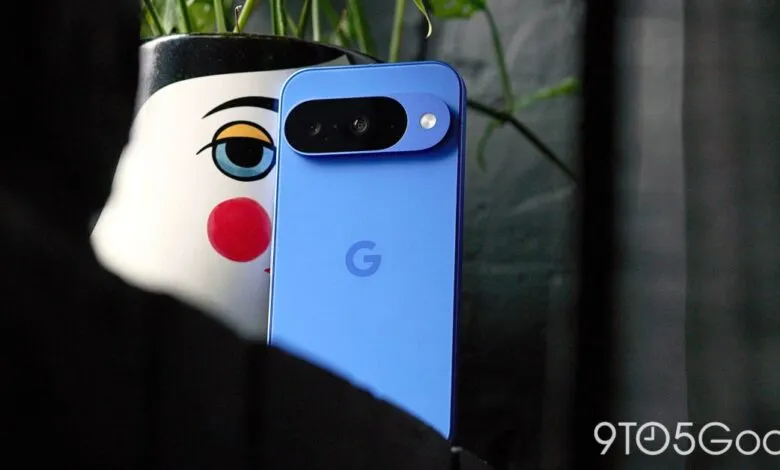
With the rollout of the May 2026 update, Google has introduced a critical change for Pixel 10 series devices , a new anti-rollback measure that blocks the installation of any older Android builds. This update is currently being delivered to the Pixel 10, 10 Pro, 10 Pro XL, and 10 Pro Fold.
In a detailed notice, Google explains that the update includes a bootloader update which increments the anti-rollback version. This effectively prevents users from downgrading to previous, potentially vulnerable bootloader versions , and, by extension, older Android software. While this may sound alarming, it is not a new tactic. Google applied the same restriction to Pixel 6 series and Pixel 8 series devices back in the May 2025 update.
The company’s warning outlines a specific technical risk: after installing the May 2026 update, the inactive slot on the device retains an older bootloader. If the active slot fails to boot, the seamless update fallback mechanism attempts to boot from the inactive slot, which then leads to an unbootable state because the older bootloader’s anti-rollback version hasn’t been incremented. To avoid this, Google advises that after successfully booting the May 2026 update at least once, users should sideload the full OTA image to ensure both slots contain a bootable image.
So what does this actually mean for everyday users? Likely very little. The average Pixel owner rarely attempts to roll back an Android update, especially within the same major version. However, this change could pose a real challenge for developers. Building and testing Android software often involves flashing different builds, and if something goes wrong, the inability to revert to an older version can leave a device stuck in recovery mode or rendered completely unusable.
While this anti-rollback measure is unlikely to disrupt most people, Google’s increasing frequency of such restrictions raises a reasonable concern. It would be helpful if the company provided recovery tools , either publicly or at least for developers , to rescue devices that become trapped by these protections.
The May 2026 update is now being pushed to Pixel 10 series devices globally.
(Source: 9to5google.com)