Expanding mosquito ranges call for better disease monitoring
▼ Summary
– Mosquito populations are a typical part of summer, but the species found in historically temperate regions like New England are changing.
– Climate change, making areas warmer and wetter, is causing mosquito ranges to expand and bringing associated diseases with them.
– A Connecticut monitoring program has detected 54 mosquito species, including the invasive Asian tiger mosquito.
– The Asian tiger mosquito, which can transmit dengue and Zika, is moving north from its historical range in hotter, humid climates.
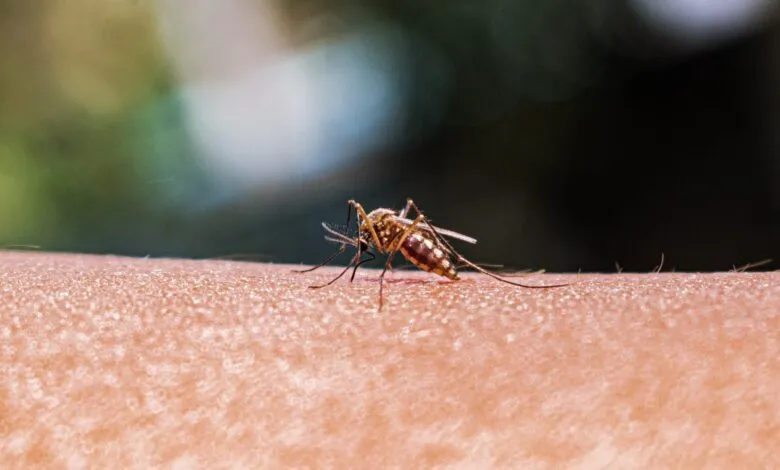
Summer is here, bringing with it pool parties, beach outings, backyard barbecues, and the inevitable scourge of hungry mosquitoes. But while insect bites have long been an accepted part of outdoor life, the types of mosquitoes doing the biting are shifting in historically cooler regions like New England. As climate change drives warmer and wetter conditions, these insects are expanding their geographic ranges, and the diseases they carry are moving right along with them.
Take Connecticut, for instance. A statewide mosquito monitoring program there has identified 54 different species, including invasive ones like the Asian tiger mosquito. This species is capable of transmitting serious illnesses such as dengue and Zika virus, both of which can have severe health consequences. Historically confined to hot and humid climates farther south, the Asian tiger mosquito has been steadily migrating northward, a trend documented in scientific literature.
This expansion underscores a growing need for enhanced disease surveillance and public health preparedness. As mosquito habitats shift, local health officials must adapt their monitoring strategies to detect and respond to emerging threats before they become widespread. The changing patterns are a clear signal that better monitoring is not just a precaution, it is essential for preventing disease outbreaks in regions that were once considered low-risk.
(Source: Ars Technica)