▼ Summary
– Robinhood’s Ventures Fund I, listed on the NYSE, allows retail investors to invest in private tech companies like Stripe and OpenAI, with over 150,000 participants in its IPO.
– Robinhood CEO Vlad Tenev calls large private companies valued in the hundreds of billions “frontier companies,” as the term “unicorn” is outdated for them.
– The fund operates as a publicly traded venture capital firm with daily liquidity, no accreditation requirements, and no performance fee (carry).
– Tenev argues retail investors should access private markets early, as many companies delay IPOs and may reach trillion-dollar valuations before going public.
– The fund is part of Robinhood’s broader mission to democratize market access, following its earlier move to zero-commission trades for public markets.
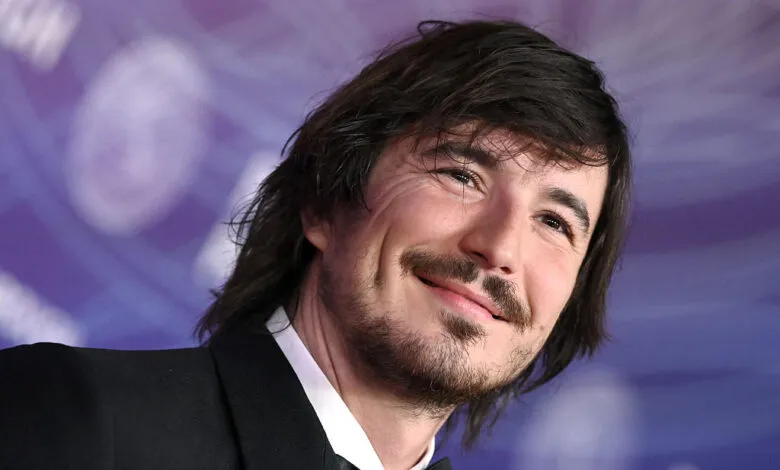
Robinhood CEO Vlad Tenev is celebrating the strong debut of the company’s Ventures Fund I, a new investment vehicle that gives everyday investors a way to back high-profile private tech companies before they hit the public markets. Speaking this week at The Wall Street Journal’s Future of Everything conference, Tenev revealed that more than 150,000 retail investors participated in the fund’s initial public offering on the New York Stock Exchange. “It’s quite democratized,” he said.
Launched in March, the fund arrives at a moment when the traditional label of “unicorn” no longer captures the scale of today’s biggest private companies. With AI powerhouses like OpenAI and Anthropic raising capital at valuations between $850 billion and $900 billion, a new term is clearly needed.
Robinhood has coined the phrase “frontier companies” to describe these massive, privately held enterprises. “There are private companies raising capital at valuations in the high hundreds of billions,” Tenev noted. “You’re going to see, perhaps, multiple private companies getting into the trillions before the IPO , before retail investors can participate.”
The fund’s portfolio includes well-known names such as Stripe, Oura, Databricks, and OpenAI, along with newer additions like Mercor, Ramp, Airwallex, and Boom. By offering this exposure through a publicly traded structure, Robinhood is extending its original mission of democratizing market access.
The company first disrupted the brokerage industry with zero-commission trades, dramatically boosting retail participation in public markets. Now, it sees the next logical step as opening up the private market. “You can think of the new fund as a publicly traded venture capital firm with daily liquidity. No accreditation requirements and no carry,” Tenev explained. “Just a competitive management fee. In typical venture capital, you pay a management fee plus a carry of around 20%, meaning 20% of your profits go to the fund manager.”
Given that many companies are choosing to delay their IPOs, Tenev argues that retail investors should have a chance to invest earlier. “The aspiration is, if you’re a company raising a seed round or a Series A round , first capital , retail should be a big chunk of that round, much like it now is in the public markets,” he said. “We should let those people in at the ground floor, so they can benefit from this potential appreciation that’s increasingly happening in the private markets.”
(Source: TechCrunch)