Airbnb Co-Founder Hires Peter Arnell as First US Brand Architect
▼ Summary
– Joe Gebbia announced that Peter Arnell has been hired as the first U.S. chief brand architect for the Trump initiative U.S. National Design Studio.
– Arnell will lead efforts to rebrand and unify the look and feel of 27,000 government websites to build trust with citizens.
– The team uses design principles from consumer apps like Airbnb to simplify complex government processes.
– Examples of completed work include streamlining the retirement process from months to minutes and reducing a workflow from 87 clicks to 12.
– The initiative aims to eliminate poor user experiences like site navigation issues and timeouts, which Gebbia called “one of the darkest UX patterns.”
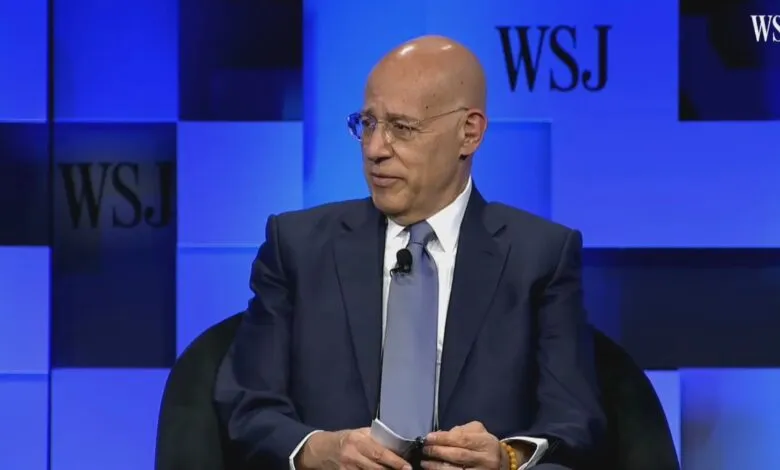
Airbnb co-founder Joe Gebbia is expanding his team at the U.S. National Design Studio, a Trump-era initiative aimed at modernizing the government’s digital footprint. On Monday, Gebbia revealed at The Wall Street Journal’s “Future of Everything” conference that acclaimed designer Peter Arnell has signed on as the nation’s first chief brand architect.
Arnell joins a handpicked group of Silicon Valley design and software engineering talent, all laser-focused on overhauling how Americans interact with federal websites. With a career spanning four decades, Arnell has shaped the brand identities of giants like Donna Karan New York, Samsung, Unilever, Pepsi, Reebok, Chrysler, and The Home Depot. Now, his mission is to rebrand the digital face of the United States, which he calls “the greatest brand in the world.”
“This is a very special and different perspective on the word ‘brand’ in the sense that we’re not rebranding this country, of course,” Arnell explained at the event. “What we’re trying to do is, very specifically, have a consistency, [a] unified look-and-feel and experience, so that we start to build trust in the way that the American citizen daily interacts with the government.”
The task is monumental: redesigning 27,000 government websites. Arnell’s team is applying the same design principles that made consumer apps like Airbnb intuitive and trustworthy. “There’s a spirit of Airbnb here,” Gebbia noted, drawing a parallel between simplifying the complex process of booking a vacation rental and streamlining government services to be easier, safer, and more reliable.
Gebbia also highlighted early wins. The team has already transformed the government’s retirement process from a cumbersome, paper-based system into a streamlined web-based version that employees can complete in minutes rather than months. Another prototype reduced a common government workflow from 87 clicks to just 12, with a goal of reaching 10.
Beyond reducing clicks, the initiative tackles common frustrations like navigational dead ends and page timeouts that cause users to lose data. Gebbia bluntly described the current state of government websites as “one of the darkest UX patterns that you could think of,” referencing deceptive design tricks that manipulate users. “Just the perception of [a government website] being hard precludes you from even engaging in it,” he said. “I think we’re moving beyond this…this is over. People should feel empowered to get the thing done with the government that they need to get done.”
(Source: TechCrunch)