Intel’s Response to AMD’s Top Gaming CPUs
▼ Summary
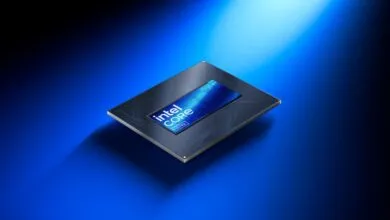
– Intel has launched its new Core Ultra “Meteor Lake” processors, featuring a tile-based architecture and integrated AI acceleration.
– AMD has countered with its Ryzen 8040 “Hawk Point” mobile CPUs, which double the AI processing power of its previous generation.
– This renewed competition is primarily focused on advancing AI capabilities and power efficiency for next-generation laptops.
– Both companies are aggressively targeting the growing market for AI-powered personal computers.
– The rivalry is driving rapid innovation in chip design, particularly in integrating specialized neural processing units (NPUs).
The competition for dominance in the high-performance computing space has intensified significantly. Intel’s response to the latest generation of AMD gaming CPUs represents a pivotal moment in the ongoing battle for desktop supremacy. For years, the two chipmakers have traded blows, but recent launches have shifted the competitive landscape, forcing a strategic countermove.
Intel’s approach focuses on leveraging its established architectural strengths while aggressively pushing core counts and clock speeds. The company’s latest Core i9 processors, for instance, are designed to deliver exceptional single-threaded performance, a critical metric for many gaming titles. This strategy directly challenges AMD’s Ryzen 9 series, which has gained acclaim for its superior multi-threading capabilities and efficiency. By emphasizing raw gaming frequency, Intel aims to reclaim its position as the go-to choice for enthusiasts seeking maximum frame rates.
The technological arms race extends beyond just silicon. Platform features like PCIe 5.0 support and advanced memory overclocking have become key battlegrounds. Intel’s current platform offers robust support for the latest high-speed DDR5 memory, which can provide tangible benefits in memory-sensitive applications and games. This holistic system performance is a crucial part of the value proposition, as users evaluate the entire ecosystem, not just the processor alone.
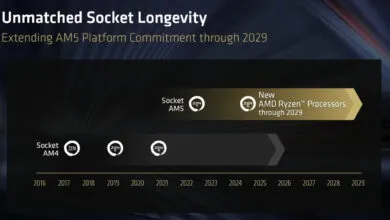
Market dynamics also play a role. Pricing and platform longevity are significant factors for consumers building or upgrading a system. AMD’s AM5 platform promises a clear upgrade path for future CPU generations, a feature highly valued by the community. Intel’s counter has involved competitive bundling and motherboard partnerships to enhance the overall value of its platform, making the total cost of ownership a central part of the conversation.
Ultimately, this renewed rivalry benefits consumers by accelerating innovation and providing more compelling choices. The pressure from AMD’s top-tier chips has catalyzed a more aggressive and focused product cycle from Intel. The result is a market where both companies are pushing the boundaries of what’s possible in desktop performance, giving gamers and creators more power than ever before. The direction of this competition will undoubtedly shape the next generation of computing hardware.
(Source: Gizmodo.com)