Tesla Revives Plans for Smaller, Affordable EV
▼ Summary
– Reuters reports Tesla is contacting suppliers about a new, affordable electric SUV not based on existing models, with initial production planned for China.
– This marks a reversal for Elon Musk, who previously called affordable EVs “pointless” and canceled the planned $25,000 Model 2 to focus on robotaxis.
– Tesla’s autonomous vehicle plans have faced delays, with supervised robotaxis only available in Austin and its Full Self-Driving technology not yet fully autonomous.
– Following the Model 2 cancellation, Tesla released cheaper versions of the Model 3 and Y, but these were not the new, affordable vehicles long promised.
– Tesla faces sales challenges from the loss of an EV tax credit and Musk’s political stance, increasing the potential benefit of a successful affordable model.
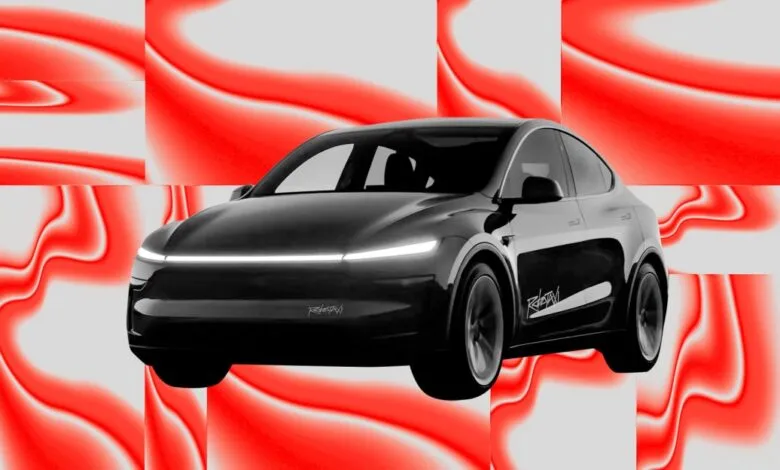
A more affordable Tesla electric vehicle appears to be back in development, signaling a strategic shift for the automaker. According to a new report, the company is now contacting suppliers about plans for a completely new, lower-cost electric SUV. This model would not be based on the existing Model 3 or Model Y platform. Initial production is reportedly slated for China, with eventual expansion to North American and European markets.
This move marks a significant reversal for Tesla and CEO Elon Musk. For years, Musk has publicly dismissed the need for a cheaper EV, labeling the effort “pointless” in light of a future where all vehicles would be autonomous. Earlier this year, he reportedly canceled the long-anticipated affordable Model 2, a project once priced around $25,000, to redirect resources toward robotaxis and humanoid robots. That decision contradicted earlier promises to build an accessible EV to spur broader adoption.
The pivot toward autonomous vehicle technology has encountered substantial delays. Musk previously claimed Tesla would have robotaxis operating in markets covering half the U. S. population by the end of 2025, a forecast that proved overly optimistic. Currently, supervised robotaxi tests are confined to Austin, Texas, with an employee present to monitor the system. While some unsupervised testing has occurred, the scope remains limited.
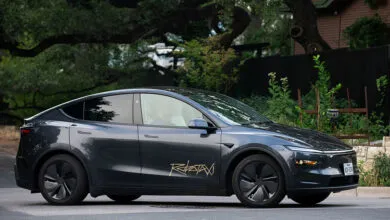
Following the Model 2’s cancellation, Tesla introduced simplified versions of the Model 3 and Model Y, designed to cut production costs by roughly 20 percent. However, these were not the groundbreaking low-cost EVs that consumers and investors had been anticipating. The company is in clear need of a sales catalyst, having faced challenges from the loss of federal EV tax credits for some models and broader market pressures. While first-quarter deliveries this year showed an annual increase, they fell 14 percent from the previous quarter.
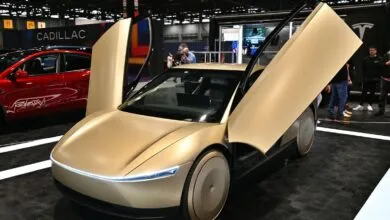
A major unresolved question is how this new vehicle aligns with Tesla’s stated focus on fully driverless cars. Sources suggest the company may be pursuing a dual-purpose design, a vehicle capable of both autonomous operation and human driving. This would be another departure from Musk’s recent vision, which has heavily promoted the steering wheel-less Tesla Cybercab as the essential vehicle for an autonomous future.
The development of Full Self-Driving technology continues to face hurdles. Musk has stated that an unsupervised version of FSD requires at least 10 billion miles of data to validate its safety. The system’s real-time mileage tracker currently shows over 9.1 billion miles collected. Whether this new, affordable model represents a pragmatic adjustment or a fundamental change in direction remains a key point of speculation for Tesla’s future.
(Source: The Verge)