The Wrong EVs Are Being Canceled
▼ Summary
– The EV industry is facing a brutal period, with automakers canceling many promising new models due to slowing demand and policy changes.
– Affordable EV models like the Volvo EX30, Chevy Bolt, and Nissan Leaf S trim are being discontinued, limiting options for new customers.
– Automakers are shifting focus from lower-priced, lower-margin EVs to producing large, expensive models like the Cadillac Escalade IQ.
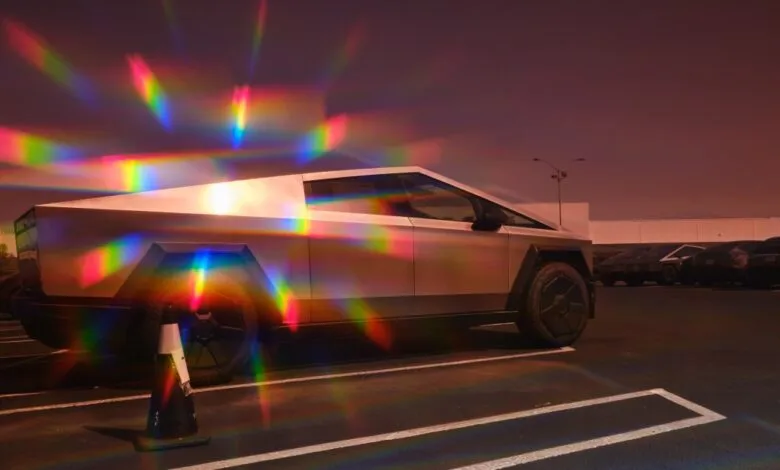
– The Tesla Cybertruck is cited as a disliked, expensive vehicle with plummeting sales, volatile pricing, and frequent vandalism.
– Despite its poor performance and reception, Elon Musk continues to promote the Cybertruck, unlike Tesla’s decision to discontinue other low-selling models like the Model S and X.
The electric vehicle market is facing a significant and troubling shift, as manufacturers increasingly abandon affordable models in favor of high-margin luxury trucks and SUVs. This trend threatens to stall widespread EV adoption by removing the very cars that could attract new buyers. Recent weeks have seen a series of cancellations that highlight this problematic pivot, leaving consumers with fewer practical and budget-friendly options.
First, the affordable models facing the axe. The Volvo EX30, a compact and characterful crossover anticipated to start near $35,000, will not see a 2027 model year in the United States. Chevrolet announced the return of the popular Bolt, but clarified this revival is only a limited 18-month run. Nissan has discontinued the entry-level, 52kWh S trim of the Leaf in North America, leaving only the more expensive, longer-range version. Each of these vehicles represented a critical gateway into electric ownership.
This pattern suggests automakers are deliberately shedding lower-priced, lower-margin electric cars to concentrate on large, expensive ones. General Motors, for instance, has sunset the Chevy Bolt while aggressively marketing the Cadillac Escalade IQ, a behemoth that starts around $127,000None. The strategic focus appears to be on profitability per vehicle rather than expanding the total number of electric drivers.
A prime example of this misguided priority is the Tesla Cybertruck. Widely criticized for its polarizing design, the truck saw sales plummet by 48 percent in 2025. A rational company might quietly retire such a product. Instead, Tesla persists, with Elon Musk remaining personally invested in a vehicle he has touted as the pinnacle of design. The Cybertruck’s erratic pricing does it no favors; Tesla recently increased the cost of its AWD version by a staggering 17 percent just ten days after its introduction, a move described by industry observers as deeply cynical.
Public sentiment toward the truck remains intensely negative, extending beyond online criticism. Instances of vandalism are frequent, with a recent case involving a woman using a nailed board to scratch a Cybertruck in North Carolina. Despite its commercial struggles and public relations headaches, the program continues, consuming resources that could be directed toward more compelling and accessible vehicles.
In a more logical market, the underperforming Cybertruck would follow other low-volume Tesla models into retirement. The issue is its symbolic weight to Musk himself, who has framed it as an “apocalypse-proof” marvel. When a vehicle’s future appears this bleak, the sensible move is to cut losses. The industry’s current direction sacrifices long-term adoption goals for short-term financial gains, canceling the wrong vehicles and ultimately leaving everyday drivers behind.
(Source: The Verge)