Tiny Credit Card E-Reader’s Major Flaw
▼ Summary
– The Xteink X3 is a new, smaller e-reader than the X4, offering improved portability but charges via a proprietary magnetic pogo-pin instead of USB-C.
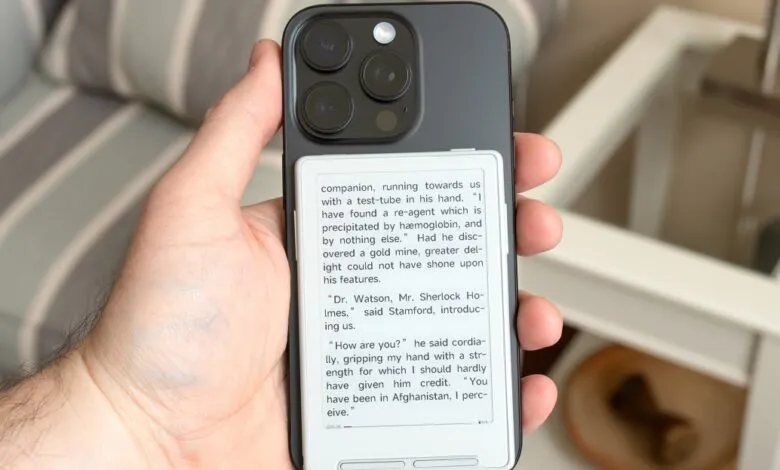
– Its redesigned magnetic back allows it to mount perfectly to an iPhone 16 Pro, but the magnets are too weak to hold it securely.
– The device has a smaller 3.7-inch screen than the X4 and lacks features like screen lighting or a touchscreen, relying on an improved physical button layout.
– The software is slightly refined with contextual onscreen labels, but the user interface remains frustrating and lacks the polish of mainstream e-readers.
– Despite its software flaws and inconvenient charging, the reviewer is tempted to recommend it for its extreme pocketability and utility as a phone-reading alternative.
A new contender for the world’s smallest e-reader has arrived, but its pursuit of extreme portability introduces a significant compromise. The Xteink X3 refines its predecessor with a slimmer, credit-card-sized profile and a better magnetic mount, yet it abandons the universal USB-C port for a proprietary magnetic charging system. This single design choice overshadows many genuine improvements, creating a major point of frustration for an otherwise intriguing device.
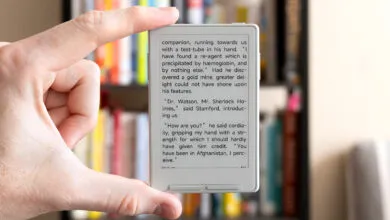
The hardware itself represents a clear step forward. The X3 is noticeably more compact than the X4, shaving off millimeters in width and over half an inch in length. It achieves a truly pocketable form that borders on disappearing in a jacket or jeans. The redesigned magnet array on its back also solves a key issue from the last model, now allowing it to align perfectly with an iPhone 16 Pro. However, the magnet strength is insufficient, resulting in a weak connection that fails to keep the e-reader securely attached during daily movement.
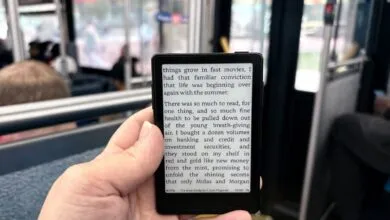
Reading on the 3.7-inch E Ink display is a personal experience dictated by eyesight. The screen is sharp at 250ppi, but its small size means fewer words per page. Those who prefer larger fonts will find themselves tapping the page-turn buttons constantly. The button layout itself is simplified and more intuitive than before, featuring single side buttons for scrolling and a pair of two-sided buttons below the screen for menu navigation.
Software remains a weak point, carrying over many frustrations from the X4. While Xteink added contextual onscreen labels for the front buttons, they only appear on the homescreen, vanishing elsewhere in the operating system. This makes the interface needlessly confusing. The limited font selections and settings contribute to a steep learning curve, far from the polished experience of a Kindle or Kobo. The promising CrossPoint Reader alternative firmware, which salvaged the X4 for many users, is not yet available for the X3, though developers indicate support is nearly complete.
File transfer is best handled the old-fashioned way: removing the microSD card and loading books directly. Wireless transfer via a mobile app is possible but remains a clunky and convoluted process. A few new software features, like adjustable line spacing and a shake-to-turn-page function, feel more like novelties than meaningful upgrades.
All these trade-offs might be forgivable for the sheer joy of its ultra-compact design. The ability to read in brief moments, like in a line or waiting room, without carrying a larger e-reader is genuinely valuable. Yet, the proprietary charging cable is a persistent annoyance. In an era of near-universal USB-C, being tethered to a single, easy-to-lose accessory feels like a step backward. Losing this cable could strand the device, as the company cautions against third-party alternatives and has only just begun selling replacements.
The X3 proves that remarkable miniaturization is possible, but its lack of USB-C is a glaring flaw. Adding a standard port or even wireless charging would have preserved its pocketability while ensuring convenience. For now, this tiny e-reader demands a level of accessory vigilance that may outweigh its considerable charm.
(Source: The Verge)