NotebookLM transforms marketing docs into insights
▼ Summary
– Marketing teams produce valuable documents like research reports and strategy decks, which contain insights for shaping messaging and campaigns.
– AI tools like NotebookLM can turn these static documents into an interactive knowledge base that users can query and explore directly.
– A key feature is the ability to upload multiple documents to uncover patterns and themes across different studies or campaigns.
– The tool can also generate an interactive, audio summary of the documents, allowing for a conversational review of the material.
– This approach shifts work from searching through files to actively engaging with insights, making existing information easier to surface and apply.
Marketing teams generate a continuous flow of valuable documents, from customer research and strategy decks to campaign analyses and competitive reports. Each piece contains critical insights that can shape messaging and strategy, yet this information often remains siloed and underutilized. A new category of AI tools is emerging to solve this challenge, enabling professionals to transform static files into an interactive, queryable knowledge base. Platforms like NotebookLM allow marketers to actively explore their own content, turning archived work into a dynamic resource for decision-making.
The core function of these tools is to create an interactive knowledge base from uploaded documents. Rather than manually sifting through folders or lengthy presentations, users can ask direct questions and receive answers grounded solely in their provided materials. This process is straightforward: after uploading research reports, interview summaries, or strategy presentations, the system analyzes and organizes the content for conversational exploration. The key distinction is that the AI’s responses are derived from your specific documents, not general web data, ensuring a focused and relevant interaction with your proprietary knowledge.
This capability moves teams from scattered research to connected insights. One of the most powerful applications is uncovering patterns across multiple documents. Marketing departments often conduct various studies throughout the year, such as brand perception surveys, campaign performance reviews, and sentiment analyses. While each offers value, deeper understanding emerges when they are examined together. By uploading several reports into a single workspace, you can ask broader questions. What recurring themes appear across different studies? Which customer frustrations are mentioned most frequently? Which product benefits consistently resonate over time? This approach surfaces cross-document patterns that might otherwise remain hidden, saving significant manual review time.
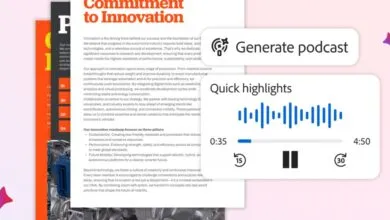
Another innovative feature is the ability to generate an audio conversation from your documents. After analysis, the tool can produce a podcast-style discussion between two hosts who walk through the key ideas and takeaways. This format offers a fast, engaging way to review complex material, especially for those who prefer auditory learning. The conversation is interactive; you can pause at any point to ask a specific question, and the system will respond using the information from your uploaded files. For instance, you might inquire about customer comments on pricing, the performance of past messaging, or common emotional reactions in feedback.
Applying these insights practically can enhance several marketing functions. For research synthesis, consolidating multiple studies into one workspace helps identify consistent themes and the bigger picture across projects conducted at different times. In campaign planning, uploading past campaign summaries, creative test results, and strategy documents allows teams to explore which messages resonated most and which benefits drove engagement, informing new creative directions. Furthermore, these tools excel at simplifying complex research, distilling lengthy reports into key findings that are easier to understand and share across an organization. When insights are more accessible, they are far more likely to influence strategic decisions.
The fundamental shift offered by tools like NotebookLM is one of speed and accessibility. They change how marketing professionals spend their time, reducing hours spent searching through files and increasing time for strategic thinking and application. The AI handles the task of organizing information and revealing patterns, while human judgment, creativity, and customer understanding guide the final decisions. This represents a move toward a more active relationship with marketing knowledge, where research is not just stored but actively engaged with during planning and testing cycles. Often, the insights needed are not new; they are already embedded in the work your team has produced. The right tool simply makes them easier to surface and apply effectively.
(Source: MarTech)