Apple’s New Studio Display Models: A19 Chip Differences Explained
▼ Summary
– Apple’s new Studio Display contains an A19 chip, while the Studio Display XDR uses the more advanced A19 Pro chip, as confirmed by firmware code.
– These new chips are significantly newer than the A13 Bionic chip used in the 2022 model, which Apple had previously advertised for enabling features like Center Stage.
– Both new displays include Apple-designed timing controllers (TCONs), with the XDR model’s TCON driving its advanced display features like a 120Hz refresh rate.
– The A19-series chips likely power improved speakers and enable new camera features such as the Desk View mode in the updated models.
– The new Studio Display models are available for pre-order and are set to launch on Wednesday, March 11.
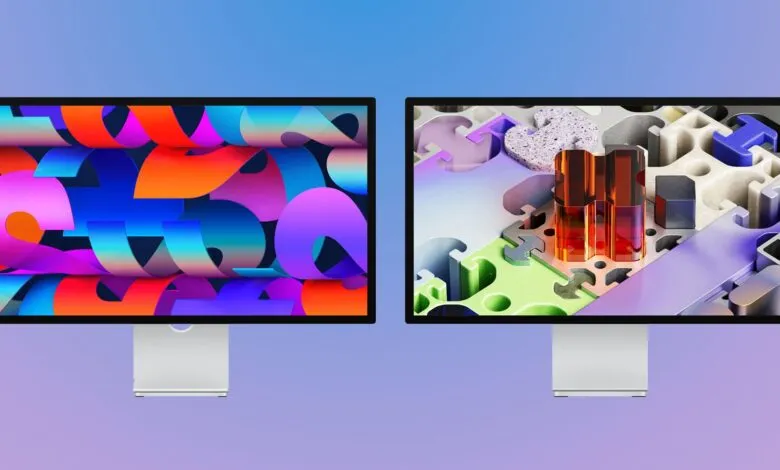
While Apple’s official announcements for the latest Studio Display and Studio Display XDR models remained silent on the internal processors, firmware analysis has now confirmed the specific chips powering each monitor. This revelation clarifies earlier speculation, showing a clear division between the standard and Pro models. The second-generation Studio Display runs on the A19 chip, whereas the more advanced Studio Display XDR is equipped with the more powerful A19 Pro chip. This information, uncovered by examining the firmware code, provides a key technical distinction between the two new displays.
This represents a significant generational leap from the original 2022 Studio Display, which Apple openly advertised as containing an A13 Bionic chip. That older processor, first launched in 2019’s iPhone 11, enabled core features like Center Stage camera framing, Spatial Audio, and “Hey Siri” voice activation. The newer A19 and A19 Pro chips, introduced last year with the iPhone 17 and iPhone Air, naturally continue to support these functionalities. However, Apple has not detailed any specific performance or quality enhancements these modern chips might bring to the display experience beyond the foundational features.
Both new monitors also incorporate Apple-designed timing controllers, known as TCONs. In the premium Studio Display XDR, this specialized TCON is crucial for driving the impressive XDR display technology, which boasts 2,304 local dimming zones, a smooth 120Hz refresh rate, and Adaptive Sync support. These components work in tandem with the new A-series chips.
The upgraded processors likely contribute to several of the new models’ improved capabilities. They are almost certainly involved in powering the enhanced speaker systems found in both displays. Furthermore, they are the probable enablers for the innovative Desk View camera feature, which allows the webcam to simultaneously show the user’s face and an overhead view of their desk, a useful tool for presentations or creative work.
As with any new Apple hardware, more detailed insights into the internal components and their performance will emerge through comprehensive technical reviews and product teardowns in the coming weeks. Both the new Studio Display and the Studio Display XDR are available for pre-order now, with official sales beginning on Wednesday, March 11.
(Source: Mac Rumors)