Gene-Editing Scientist Freed, Plans New CRISPR Babies
▼ Summary
– In 2018, He Jiankui announced the birth of the world’s first gene-edited babies, three girls whose DNA was permanently altered to resist HIV.
– He was imprisoned for three years in China, which banned reproductive genome editing, but he has since been released and is attempting to restart his career.
– He claims to be working on gene therapies for Duchenne muscular dystrophy and, in a new lab, on editing human embryos to prevent Alzheimer’s disease.
– He Jiankui actively uses social media to portray himself as a pioneering figure, making controversial statements and grandiose self-comparisons.
– In an interview, he stated the first gene-edited children are healthy, argued the technology should now be used on hundreds of babies, and confirmed he is focusing on an Alzheimer’s-preventing mutation.
The scientific community remains deeply divided over the use of germline gene editing, a technology that permanently alters DNA in embryos and can be inherited by future generations. The controversial Chinese scientist He Jiankui, who created the world’s first gene-edited babies in 2018, has been released from prison and is now pursuing new projects involving human embryos. His initial work aimed to confer HIV resistance, a move that resulted in a three-year prison sentence and a widespread ban on such practices in China. Now free and operating from an independent lab in Beijing, He is shifting his focus to a different goal: using CRISPR to edit human embryos in an attempt to prevent Alzheimer’s disease.
He’s latest ambition centers on replicating a specific, naturally occurring genetic mutation. He points to the APP-A673T mutation found in an Icelandic population, which appears to grant carriers protection from Alzheimer’s and is associated with longer lifespans. His stated objective is to introduce this mutation into embryos, theoretically creating a generation immune to the neurodegenerative condition. When asked if his current work involves human embryos, he did not provide a direct confirmation, leaving a critical question unanswered for the global scientific and ethical oversight community.
Since his release in 2022, He has worked to rehabilitate his public image and scientific standing. He claims involvement in developing a gene therapy for Duchenne muscular dystrophy, stating a pharmaceutical company has adopted the research, though no public data or publications support these assertions. Simultaneously, he maintains contact with the families of the three girls he edited, known as Lulu, Nana, and a third child, reporting they are healthy and attending primary school. Notably, the children have not been informed about the genetic modifications they carry.
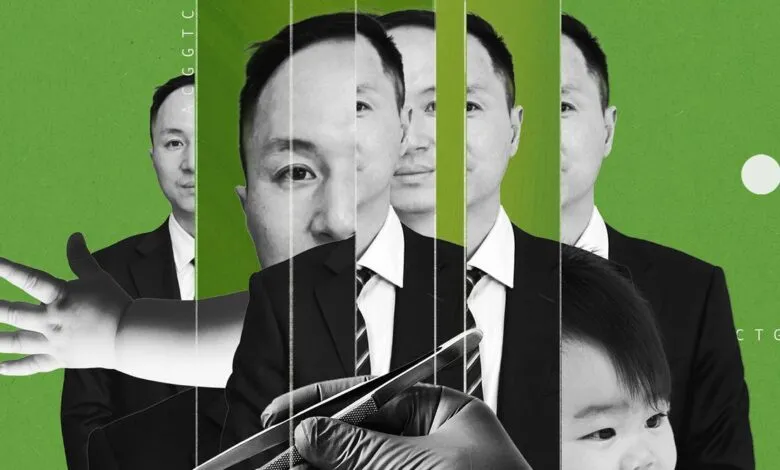
He Jiankui’s personal narrative and professional ambitions are now heavily documented on his social media channels, where he cultivates a provocative persona. He has agreed to interviews only under the condition of being called a “pioneer of gene editing,” a title he has expanded upon by comparing himself to historical figures like Darwin and Oppenheimer. His posts range from photos in a lab coat with captions claiming he “overturned” ethics, to more fantastical imagery featuring thrones and rainbows, underscoring his self-view as a revolutionary figure.
The path forward for his research is fraught with legal and ethical barriers. Germline editing for reproduction is prohibited in nearly every country, including the United States and China, creating a significant obstacle to any clinical application. Despite this, He argues that the technology should progress, drawing an analogy to the Wright brothers’ first flight. He believes the apparent health of the first edited children after several years justifies scaling up efforts, controversially suggesting it is “time to move on to hundreds of gene-edited babies” and proposing trials involving up to 300 subjects. This stance continues to place him at the center of one of biotechnology’s most intense debates, challenging international norms and prompting urgent questions about the future of human genetic modification.
(Source: Wired)