Ukraine hits key Russian rocket factory in cruise missile strike
▼ Summary
– Ukraine struck the Progress Rocket Space Center in Russia’s Samara region using ground-launched Flamingo cruise missiles, confirmed by President Zelenskyy.
– The Progress Center is a key Roscosmos facility that assembles Soyuz-2 and Soyuz-5 rockets and builds military satellites.
– Samara, located about 900 km from the Ukrainian border, is home to Russia’s most important rocket manufacturer.
– The Soyuz-2 rocket, produced there, is vital for civil and military launches, including crewed missions to the International Space Station.
– Damage details are unclear, but open-source reports suggest a missile hit a clean room used for avionics or electronics production.
Ukrainian President Volodymyr Zelenskyy confirmed Saturday that Ukrainian forces struck the Progress Rocket Space Center, a critical aerospace facility deep inside Russian territory, using ground-launched cruise missiles.
The attack targeted the Samara region, roughly 900 kilometers from the Ukrainian border. “One of the key enterprises within Roscosmos, the Progress Center, which was involved, among other things, in electronics production, was hit,” Zelenskyy stated on X. He added that Flamingo missiles were used, calling the operation “a good achievement.”
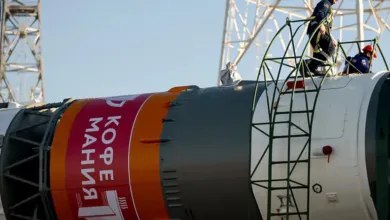
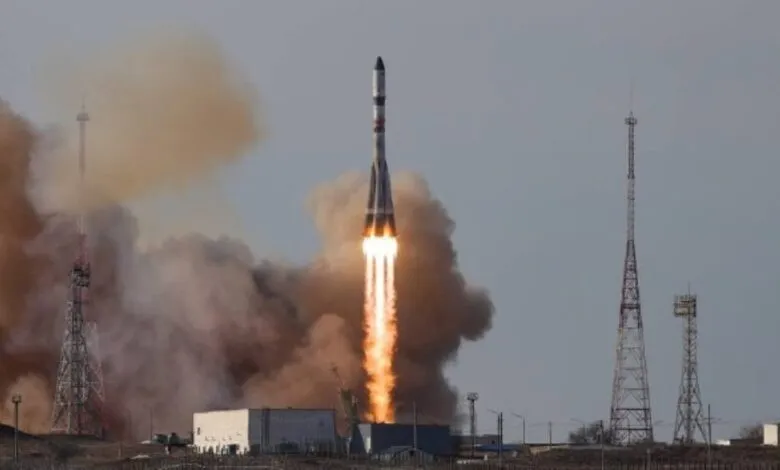
Samara is home to Russia’s most significant rocket manufacturing operation. The Progress facility assembles the Soyuz-2, the country’s workhorse launch vehicle, alongside the newer Soyuz-5 rocket. The site also produces military satellites.
The Soyuz-2 rocket carries roughly 8 metric tons to low-Earth orbit and serves a broad range of civil and military missions. Critically, it remains the primary vehicle for Russian crewed flights to the International Space Station.
Existing Soyuz rocket shortages have already been a concern for Russian space operations. The full extent of the damage at the sprawling Progress complex was not immediately known. Open-source reports suggest a missile may have hit a building housing a clean room for avionics, which could correspond to the electronics production Zelenskyy referenced.
(Source: Ars Technica)