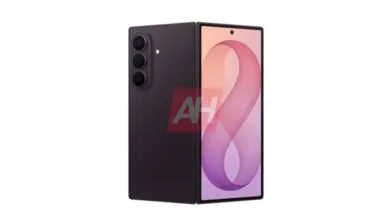
Samsung bets on wider Galaxy Z Fold 8, report says
▼ Summary
– Samsung’s production plans prioritize the Galaxy Z Fold 8 (2.8 million units), then the Fold 8 Ultra (2 million), and finally the Flip 8 (1.5 million), focusing on a wider, less expensive foldable.
– This marks a shift from previous years, where Samsung emphasized the Galaxy Z Flip series over the Fold.
– Samsung expects the new wider form factor to be popular, though initial production numbers may adjust based on demand.
– Total foldable production for this year is projected to be around 5.5-6 million units, similar to last year’s volume.
– The Galaxy Z Fold 7 previously pushed production past 6 million units, indicating a slight decrease in planned output for the new models.
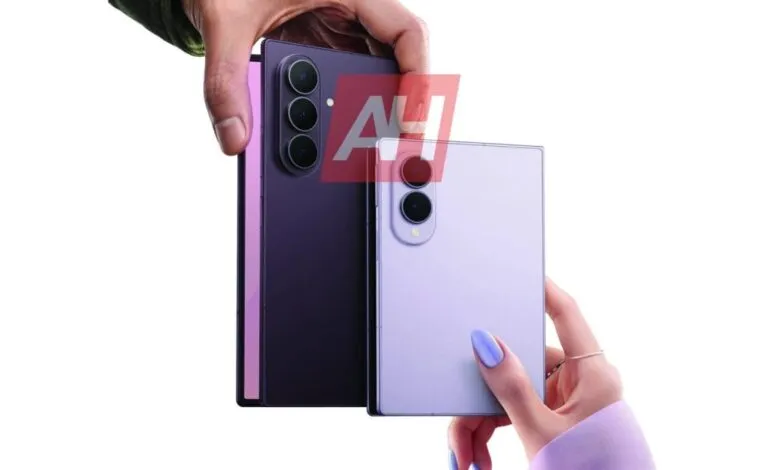
A new industry report suggests Samsung is placing a significant bet on a wider design for its upcoming Galaxy Z Fold 8. The company is reportedly shifting production priorities, with the Galaxy Z Fold 8 and its wider form factor taking center stage over the once-dominant Galaxy Z Flip series.
According to ETNews, Samsung’s initial production run for the Galaxy Z Fold 8, Fold 8 Ultra, and Flip 8 reveals a clear hierarchy. The breakdown is as follows: the standard Galaxy Z Fold 8 (wide) is slated for 2.8 million units, the Galaxy Z Fold 8 Ultra for 2 million units, and the Galaxy Z Flip 8 for just 1.5 million units. This marks a notable departure from previous years, when Samsung typically prioritized the Galaxy Z Flip lineup.
Samsung routinely adjusts these production numbers based on consumer demand, but the heavy emphasis on the new, wider foldable indicates a strong internal expectation that it will resonate with buyers. The company is clearly banking on this design change to drive sales.
Overall foldable production for this year is not expected to see a massive jump compared to last year. While the Galaxy Z Fold 7’s popularity pushed total production past 6 million units, Samsung’s current plans for the Fold 8 series and Flip 8 sit at roughly 5.5 to 6 million units. The shift is less about volume and more about where that volume is directed.
(Source: 9to5google.com)