Steam Deck Sales Plummet Following Price Hike
▼ Summary
– Since its 2022 launch, the Steam Deck was consistently near the top of Valve’s bestseller charts, but sales have declined steeply after a May price increase.
– The Deck’s chart position fell from fifth place in late May to 14th place in early July, sitting at 12th in the current charts.
– In 2025, the Deck never dropped below seventh place, but Valve warned of shortages in February, leading to lower positions and unavailability until May.
– Boiling Steam estimates unit sales fell about 80%, from 11,000–18,000 per week in 2025 to 1,400–3,000 per week currently.
– The handheld sold an estimated 4 million units in its first three years, making the recent sales slowdown significant.
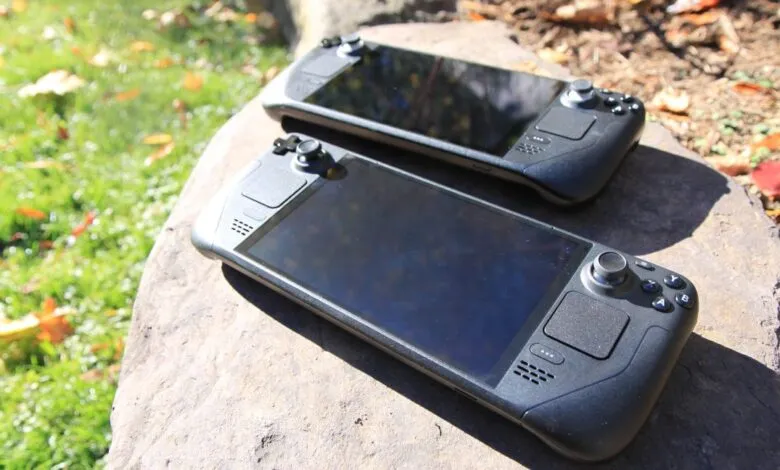
Since its launch in 2022, the Steam Deck has been a dominant force in Valve’s “top selling products by revenue” charts, rarely slipping outside the top 10. Any brief dip was considered newsworthy. However, the handheld’s fortunes have taken a sharp turn for the worse after a price hike in May, with sales now in a steep and sustained decline.
According to an analysis by the Linux-focused gaming site Boiling Steam, the Deck’s chart position has dropped significantly. After orders resumed in late May, it ranked fifth. By early July, it had fallen to 14th place for two consecutive weeks. In the current edition of the charts, it sits at 12th. This marks a stark contrast to 2025, when the Steam Deck never fell below seventh place and rarely left the top five.
The trouble began in February, when Valve warned of “intermittent shortages” for the Steam Deck. This led to weeks of lower chart positions before the device became completely unavailable until May. When it finally returned, it did so at a higher price, and the sales data suggests that move has had a chilling effect on consumer demand.
Boiling Steam has attempted to translate these revenue-based chart positions into rough unit sales estimates. Using assumptions about the average sale price across hardware models (both before and after the price hike) and estimated weekly revenues for surrounding games, the model suggests a dramatic drop. From a 2025 baseline of roughly 11,000 to 18,000 units per week, sales may have fallen by approximately 80 percent to a current estimate of just 1,400 to 3,000 units per week. While there is considerable margin for error in these figures, any number close to that range represents a massive slowdown for a handheld that sold an estimated 4 million units in its first three years.
(Source: Ars Technica)