iPhone 18 Pro A20 chip rumored to deliver two major upgrades

▼ Summary
– The A20 Pro chip for the iPhone 18 Pro and iPhone Ultra will be Apple’s first to use TSMC’s 2-nanometer fabrication process, offering more power and efficiency than the current 3nm chips.
– Apple’s use of 2nm technology provides extra headroom for performance improvements in the A20 Pro, though specific focus areas are unconfirmed.
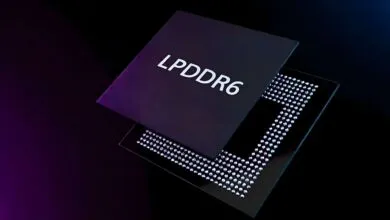
– The A20 Pro will adopt Wafer-Level Multi-Chip Module (WMCM) packaging, integrating components like the SoC and DRAM directly at the wafer level for better thermal and signal integrity.
– WMCM packaging positions the chip closer to onboard memory, enhancing performance and reducing power consumption, particularly for AI processing and high-end gaming.
– The A20 Pro’s improvements align with iOS 27’s heavy focus on AI, making the chip especially capable for AI tasks.
This fall’s iPhone 18 Pro and iPhone Ultra are expected to be powered by a chip that could mark a genuine leap forward in mobile performance. Rumors surrounding the A20 Pro processor point to two major upgrades that go beyond the typical year-over-year improvements.
The first and most significant shift is the move to a 2-nanometer fabrication process. While current iPhones rely on TSMC’s 3nm technology, the A20 Pro will be Apple’s first chip built on the smaller, more advanced node. This transition is not just a spec sheet bump. A smaller process allows for more transistors packed into the same physical space, which translates directly into higher performance and greater energy efficiency. Apple has long secured early access to TSMC’s cutting-edge manufacturing, and this move helps maintain a competitive advantage across its entire lineup, from iPhone to iPad and Mac. With the 2nm node, the company has more headroom than usual to decide where to focus those gains, whether on raw speed, battery life, or both.
The second upgrade involves a packaging innovation known as Wafer-Level Multi-Chip Module (WMCM) . For the first time, Apple will integrate the system-on-chip and DRAM directly at the wafer level, before the individual chips are cut. This technique eliminates the need for an interposer or substrate, connecting the dies more closely. The result is improved thermal management and signal integrity. More importantly, bringing the processor and memory physically closer together enables better performance and lower power consumption, especially for demanding tasks like AI processing and high-end gaming. Given that iOS 27 is expected to be heavily AI-focused, this architectural change feels both timely and necessary.
Between the leap to 2nm and the adoption of WMCM packaging, the A20 Pro promises to deliver efficiency and capability that standard annual updates rarely achieve. Whether you are most excited about faster machine learning, longer battery life, or smoother graphics, this chip looks set to deliver on multiple fronts.
What upgrade would matter most to you in the iPhone 18 Pro? Share your thoughts in the comments.
(Source: 9to5Mac)