Apple’s A20 Pro Drops 13-Year Standard for 96-Bit LPDDR6, Skimps on iPhone 18 Pro Storage
▼ Summary
– The iPhone 18 Pro and Pro Max’s A20 Pro chip will likely use a 96-bit LPDDR6 memory bus, a shift from Apple’s 13-year use of 64-bit bandwidth.
– The move to 96-bit memory is expected to improve performance for on-device AI tasks like Siri.
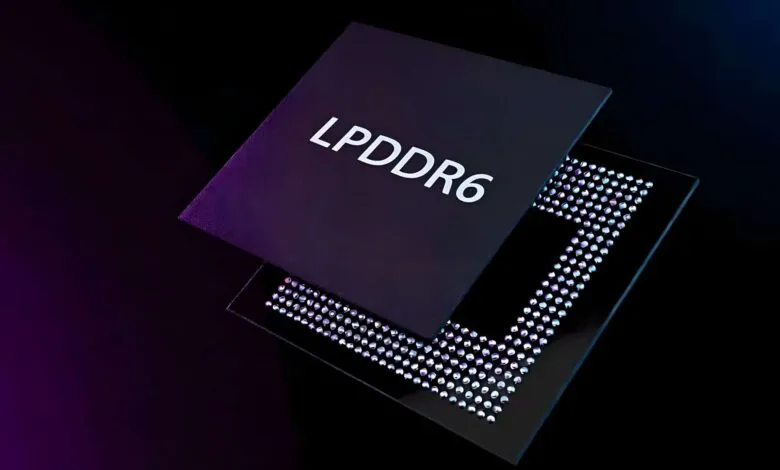
– A 96-bit LPDDR5X would be 15-20% larger than 64-bit, but LPDDR6 fits the same dimension, making it the likely choice for the chip.
– Apple’s rising DRAM costs, estimated at $145 per iPhone 18 Pro/Pro Max (up from $39), explain cost-cutting measures like using slower QLC NAND for 1TB and 2TB storage variants.
– The transition to 96-bit RAM supports Apple’s focus on revamped Siri and Apple Intelligence, which combines on-device and cloud AI models.
Apple is poised to make a dramatic shift in memory architecture with its upcoming A20 Pro chip, which will reportedly power the iPhone 18 Pro and Pro Max. After sticking with a 64-bit memory bus for roughly 13 years, the company is now expected to adopt a 96-bit LPDDR6 configuration, a move that could significantly boost on-device performance.
This transition represents a 50% increase in memory bandwidth, jumping from the long-standing 64-bit standard to a 96-bit interface. According to tipster INIYSA, who cited information from Reptalica, the A20 Pro will abandon the older LPDDR5X in favor of this newer, wider bus. That change alone promises a dramatic lift for memory-intensive tasks, particularly local large language models (LLMs) like the revamped on-device Siri.
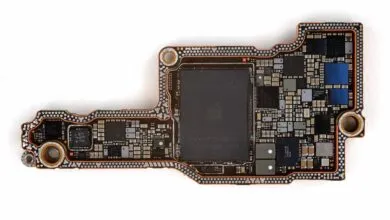
Reptalica initially suggested the A20 Pro would use a 96-bit 8533 LPDDR5X, delivering a total bandwidth of 102GB/s. However, another tipster, @SPYGO19726, pointed out that a 96-bit LPDDR5X package would be 15-20% larger than the current 64-bit version. The same user noted that LPDDR6 achieves a 96-bit bus in the same physical footprint as a 64-bit LPDDR5X. Given leaked schematics do not show a meaningfully larger DRAM module, the evidence strongly points to Apple using the more compact LPDDR6 standard.
This architectural leap aligns perfectly with Apple’s renewed focus on Apple Intelligence and its hybrid AI model, which combines on-device processing with cloud-based capabilities. Faster, wider memory is essential for running sophisticated AI workloads directly on the phone.
But this upgrade also explains Apple’s controversial cost-cutting on flash storage. As previously reported, the 256GB and 512GB variants of the iPhone 18 Pro and Pro Max will use TLC NAND, while the 1TB and 2TB models will rely on slower QLC NAND. The reason becomes clear when you look at the numbers. Apple’s DRAM costs for the iPhone 18 Pro duo are projected to hit $145 per unit, up from just $39 for the iPhone 17 Pro models. And those estimates assume a 12GB LPDDR5X configuration. If Apple moves to the more expensive LPDDR6, those costs climb even higher. Skimping on NAND storage is a direct response to the ballooning memory bill.
(Source: Wccftech)