Apple Upgrades A20 Pro to Handle Larger Data, Abandons Old Packaging
▼ Summary
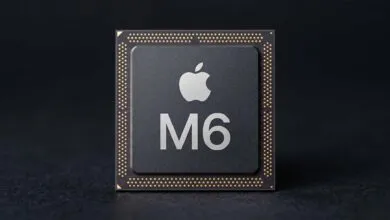
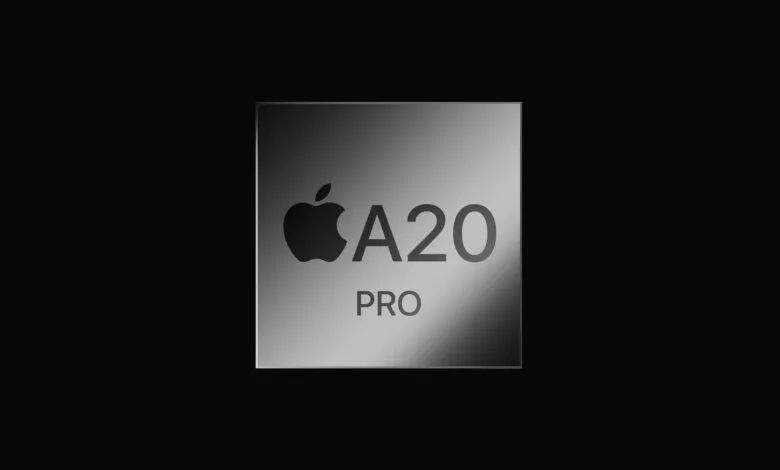
– Apple is moving from InFO-PoP to Wafer-Level Multi-Chip Module Packaging (WMCM) for the A20 Pro chipset, according to a tipster.
– WMCM eliminates thermal limitations and improves bandwidth, making the A20 Pro better suited for on-device AI operations.
– InFO-PoP technology caused thermal issues because DRAM stacked on the silicon die led both components to reach thermal limits under heavy AI workloads.
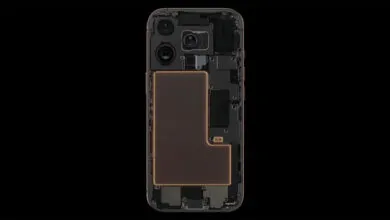
– A previous A20 Pro logic board leak showed DRAM will be kept separate from the chipset die, with a larger Neural Engine to boost AI performance.
– The article questions if AI was the sole catalyst for the packaging change, noting Apple may have reached performance limits with the A19 Pro and PoP.
Apple is making a major shift in how it packages its mobile processors. For years, the company relied on InFO-PoP (Integrated Fan-Out Package-on-Package) technology for its A-series chipsets. While functional for its time, this older packaging method has become a bottleneck in the era of artificial intelligence, introducing significant thermal constraints and limiting the ability to process large data volumes for on-device AI tasks.
The silver lining of the AI boom is that it has forced hardware giants like Apple to innovate. According to a tipster, the upcoming A20 Pro chipset will adopt Wafer-Level Multi-Chip Module Packaging (WMCM). This new approach directly addresses the thermal shortcomings of its predecessor while also delivering substantial bandwidth improvements, making the SoC far more suited for demanding AI workloads.
The core issue with PoP technology is its physical configuration. With the DRAM stacked directly on top of the silicon die, both components hit their thermal limits much faster when stressed simultaneously. Even advanced cooling solutions like a vapor chamber struggle to keep up when running intensive on-device AI, which taxes both the processor and memory at the same time.
A leak from Weibo’s Fixed-focus digital cameras suggests that AI was the primary driver for Apple’s packaging transition. The old PoP design simply cannot handle the heat or the larger data volumes required by modern AI. A previous logic board leak for the A20 Pro confirmed that the DRAM will be completely separate from the chipset die. This separation, combined with a larger Neural Engine, is expected to give AI performance a significant boost.
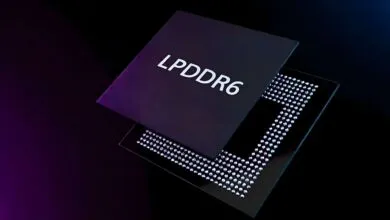
By decoupling the RAM, the A20 Pro gains substantial thermal headroom. The chipset will no longer be thermally choked by the memory, and temperatures should improve further with a larger vapor chamber. The bandwidth increase might also come from a switch to 96-bit LPDDR6 RAM, though it remains to be seen if Apple will move on from the current LPDDR5X standard.
Was AI truly the catalyst that forced Apple to change its chipset packaging? While tipsters have their theories, it pays to look at the situation logically. Apple is behind some rivals in the AI race, but that doesn’t mean it’s failing. It could simply be that the company saw no solid consumer use case for on-device AI in smartphones, making a massive investment feel premature.
A more likely explanation is that Apple reached the performance ceiling of the A-series lineup with the A19 Pro and its PoP design. The company is already making packaging changes for the M5 Pro and M5 Max, suggesting a broader strategic shift. If AI were the only motivation, why would Samsung be aggressively pursuing packaging improvements for its Exynos 2700? The answer is likely more about raw performance limits than any single technology trend.
(Source: Wccftech)