Loss of Smell: Causes and What It Means
▼ Summary
– Chrissi Kelly lost her sense of smell after a viral infection and was told to accept her anosmia diagnosis, but she found the loss catastrophic.
– Up to 22% of the population has smell impairments like hyposmia or anosmia, and others have disorders like phantosmia or parosmia, yet these conditions are often underdiagnosed and minimized by clinicians.
– The COVID-19 pandemic brought unprecedented attention to smell loss, with 60% of COVID patients in a 2023 survey experiencing it, many temporarily but some long-term.
– COVID caused millions of noses to malfunction, spurring new research and appreciation for the sense of smell.
– Evidence is mounting that smell is deeply tied not only to quality of life but also to brain health.
About 14 years ago, Chrissi Kelly lost her ability to smell. After traveling to the Czech Republic to visit family, she caught a virus. Months later, with her sense of smell still absent, she visited a general practitioner and an ear, nose and throat specialist, searching for answers.
She received a diagnosis of anosmia, or complete smell loss. Like many others with this condition, she was told to simply adapt. For Kelly, however, the loss proved devastating. “After about six months of complete loss, I was just climbing the walls, and I did not feel like myself anymore,” she recalls.
Researchers estimate that up to 22 percent of the population lives with some form of smell impairment. This includes hyposmia (partial loss) and anosmia (total loss). Others face smell disorders such as phantosmia, where phantom odors are perceived, or parosmia, where pleasant scents like coffee or shampoo become overwhelmingly foul, reminiscent of feces or vomit. Despite their prevalence, these conditions have long been poorly understood, underdiagnosed, and frequently dismissed by clinicians.
The pandemic shifted that reality. COVID-19 brought unprecedented attention and research funding to the sense of smell. The World Health Organization reports 780 million confirmed cases of COVID-19 since December 2019, with many more unrecorded. Smell loss is a hallmark symptom. A 2023 survey in the journal Laryngoscope found that 60 percent of COVID patients experienced smell loss, most temporarily, though some faced longer-term issues.
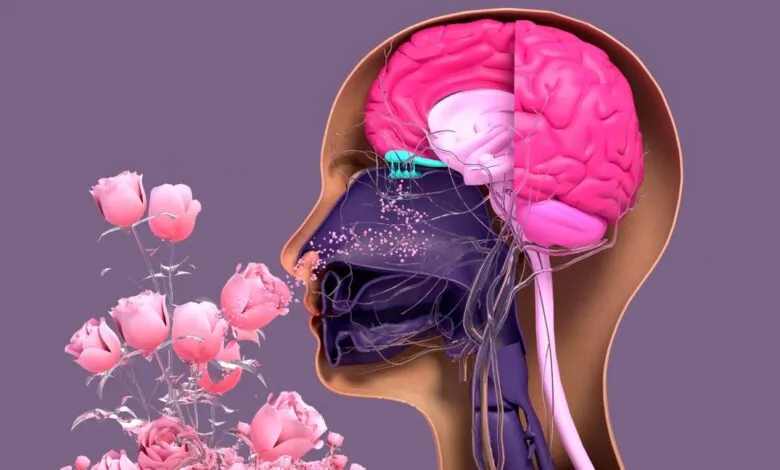
By causing millions of noses to malfunction simultaneously, the coronavirus sparked a newfound appreciation and scientific focus on this critical sense. As researchers uncover more about how smell works, mounting evidence shows that smell is deeply connected not only to quality of life but also to brain health.
(Source: Ars Technica)