Superworms emerge as new tool for cleaning skeletons
▼ Summary
– Superworm larvae (Zophobas morio) offer a practical alternative for cleaning skeletal remains for museums or forensic studies, balancing thorough cleaning with bone preservation.
– Existing methods like burial, enzymes, or chemicals have drawbacks such as bone damage, long processing times, high costs, or environmental hazards.
– Dermestid beetles are preferred for efficient cleaning without bone damage, but they risk escape and infestation of museum collections.
– Superworm larvae provide similar benefits to beetles without infestation risk, as only the larval stage is needed, lasting 10–12 weeks, and they do not pupate in crowded conditions.
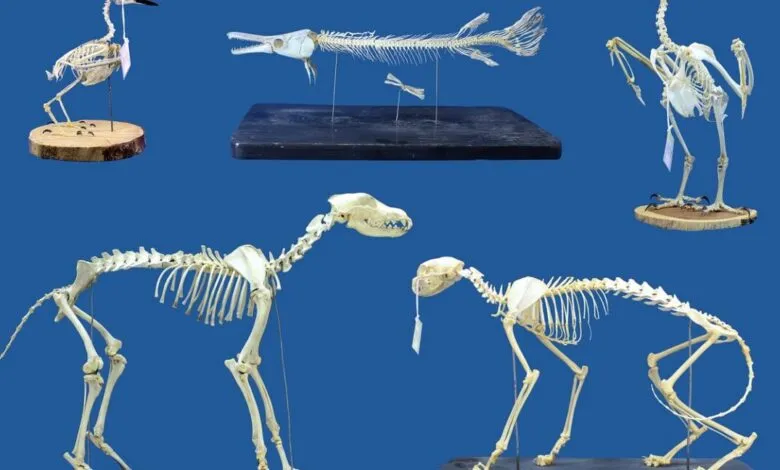
– Researchers tested superworms on various donated specimens, including a rosette, mouse, bittern, and wolf, while comparing results to a conventional boiling method on a marbled polecat.
In the world of museum curation and forensic science, preparing skeletal remains for study or display demands a delicate balance. The bones must be stripped of all soft tissue, but the cleaning process cannot compromise their structural integrity. Now, researchers suggest that the larvae of superworms (Zophobas morio), commonly sold as pet food, could provide an effective and safer solution. A new study published in PLoS One highlights how these larvae can serve as a practical tool for cleaning skeletons without the hazards associated with traditional techniques.
Standard methods for cleaning bones include burial, chemical baths, and digestive enzymes. Each comes with notable downsides: some risk damaging the bone, others are slow or expensive, and many rely on environmentally harmful substances. Dermestid beetles have long been the gold standard because they efficiently consume flesh without harming bone. However, they pose a serious containment challenge. If these beetles escape, they can reproduce rapidly and infest museum collections, creating a persistent threat.
Fatemah Rastekar from Ferdowsi University of Mashhad, along with her colleagues, suspected that superworms could offer the same cleaning power without the infestation risk. Beetle colonies require careful management across all life stages, but superworm cleaning relies solely on the larval stage, which lasts 10 to 12 weeks. In contrast, beetle larvae are active for only five to seven weeks. Superworms also do not pupate under crowded conditions, making colony control simpler and escape far less likely. The question remained whether they could clean skeletons as thoroughly as beetles.
To test this, the team collected donated specimens of different sizes and species, including an Egyptian rosette, a house mouse, a little bittern, an alligator gar, a Eurasian eagle-owl, a rook, a wild cat, and a gray wolf. They used commercially available superworms to clean each specimen. For comparison, they also cleaned the skeleton of a marbled polecat using the conventional boiling method. The results demonstrated that superworms could effectively remove soft tissue from bones, matching the efficiency of dermestid beetles while eliminating the risk of infestation. This approach offers a safer, more manageable alternative for museums and forensic labs seeking to clean skeletal remains without damaging delicate bone surfaces.
(Source: Ars Technica)