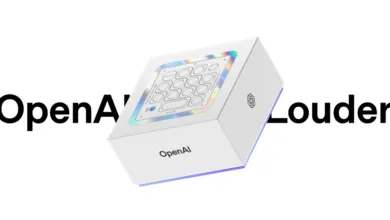
OpenAI Reportedly Developing a ChatGPT Phone

▼ Summary
– OpenAI is reportedly fast-tracking its first hardware product, a phone, with mass production targeted for early 2027.
– The phone will use a customized version of the upcoming MediaTek Dimensity 9600 chip.
– The custom chip’s main feature will be an enhanced HDR image signal processor (ISP).
OpenAI’s first foray into hardware may take the form of a smartphone rather than the previously rumored Jony Ive collaboration. According to supply chain analyst Ming-Chi Kuo, the company is reportedly accelerating development of a ChatGPT-powered phone with mass production targeted for early 2027. The report, first shared by MacRumors, suggests OpenAI is pivoting from its original plans for a mysterious AI gadget and instead betting on a more familiar form factor.
Kuo claims the device will run on a customized version of the MediaTek Dimensity 9600 chipset. That processor is expected to debut later this year as the successor to the Dimensity 9500, which currently powers flagship models like the Vivo X300 Pro and the Oppo Find X9 Pro. The standout feature of this custom chip will be its image signal processor (ISP) , which Kuo says will include enhanced HDR capabilities tailored for AI-driven photography and real-time image processing.
This shift toward a phone represents a significant strategic move for OpenAI, which has primarily focused on software and cloud-based AI services. By embedding its technology directly into a mobile device, the company could challenge existing smartphone giants while offering a deeply integrated AI experience. However, details remain scarce beyond the chipset and timeline, leaving questions about design, pricing, and software ecosystem unanswered.
If the rumors hold true, OpenAI’s phone could redefine how users interact with AI on a daily basis. But the company faces an uphill battle breaking into a market dominated by Apple, Samsung, and Google. The next year will be critical as OpenAI races to finalize its hardware vision before the planned production ramp-up.
(Source: The Verge)