OpenAI Tells Codex to Stop Discussing Goblins
▼ Summary
– OpenAI’s Codex CLI includes instructions that forbid the model from mentioning goblins, gremlins, raccoons, and other creatures unless directly relevant to the user’s query.
– Users reported that OpenAI’s models, when used with the OpenClaw tool, frequently and inappropriately referenced goblins and similar creatures in their responses.
– The discovery of the prohibition sparked memes and AI-generated content, including “goblin mode” plugins for Codex.
– AI models like GPT-5.5 can behave unexpectedly due to their probabilistic nature, especially when used with agentic tools that add many extra instructions.
– OpenAI staff and CEO Sam Altman acknowledged the issue, with Altman posting a playful meme about training GPT-6 with “extra goblins.”
OpenAI has found itself dealing with an unusual problem: its latest coding model keeps bringing up goblins.
Internal instructions designed to steer the behavior of the company’s newest AI system as it writes code include a specific, repeated directive that prohibits it from randomly mentioning a list of mythical and real creatures. “Never talk about goblins, gremlins, raccoons, trolls, ogres, pigeons, or other animals or creatures unless it is absolutely and unambiguously relevant to the user’s query,” read the rules embedded in Codex CLI, a command-line tool that uses AI to generate code.
Why OpenAI felt the need to spell this out for Codex remains unclear. The company did not immediately respond to a request for comment, and it is not obvious why an AI model designed for programming would develop a fascination with goblins or pigeons in the first place.
The company’s newest model, GPT-5.5, was released earlier this month with enhanced coding capabilities. OpenAI is locked in a fierce competition with rivals, especially Anthropic, to deliver cutting-edge AI, and coding has emerged as a killer feature in that race.
After a post on X highlighted the strange instructions, some users claimed that OpenAI’s models occasionally become obsessed with goblins and other creatures when used to power OpenClaw, a tool that lets AI take control of a computer and its applications to automate tasks for users. “I was wondering why my claw suddenly became a goblin with codex 5.5,” one user wrote on X. Another added, “Been using it a lot lately and it actually can’t stop speaking of bugs as ‘gremlins’ and ‘goblins’ it’s hilarious.”
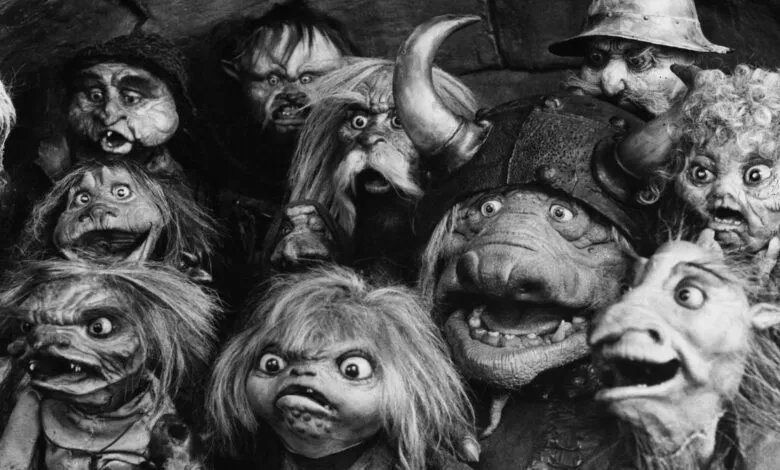
The discovery quickly turned into a meme, inspiring AI-generated images of goblins roaming data centers and plug-ins for Codex that put it into a playful “goblin mode.”
AI models like GPT-5.5 are trained to predict the next word or line of code based on a given prompt. They have become so skilled at this that they appear to exhibit genuine intelligence. But their probabilistic nature means they can sometimes behave in surprising ways. A model may become more prone to misbehavior when used with an “agentic harness” like OpenClaw, which stuffs prompts with extra instructions, such as facts stored in long-term memory.
OpenAI acquired OpenClaw in February, not long after the tool went viral among AI enthusiasts. OpenClaw can use any AI model to automate useful tasks, such as answering emails or shopping online. Users can choose from various personae for their helper, which shapes how it behaves and responds.
OpenAI staffers appeared to acknowledge the prohibition. In response to a post highlighting OpenClaw’s goblin tendencies, Nik Pash, who works on Codex, wrote, “This is indeed one of the reasons.” Even Sam Altman, OpenAI’s CEO, joined the fun, posting a screenshot of a prompt for ChatGPT that read: “Start training GPT-6, you can have the whole cluster. Extra goblins.”
(Source: Wired)