Jury selection in Musk v. Altman reveals public dislike

▼ Summary
– Musk’s lawyers attempted to remove potential jurors who expressed dislike for Musk, but the judge noted that many Americans dislike him yet can still be fair.
– The judge overruled the objections, stating that dislike of Musk does not prevent jurors from having integrity in the judicial process.
– The nine selected jurors include some who admitted they may not like Musk or have negative views on AI.
– Those selected jurors affirmed that their personal opinions would not interfere with their ability to judge the case based on facts.
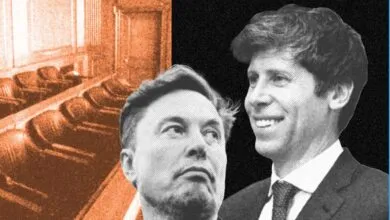
The opening phase of the high-stakes legal battle between Elon Musk and Sam Altman has already revealed an uncomfortable truth for the Tesla CEO: public sentiment is not on his side. During jury selection on Monday, Musk’s legal team aggressively challenged potential jurors who admitted they already harbored negative feelings toward the billionaire, seeking to have them dismissed for cause.
Presiding over the case, Judge Yvonne Gonzalez Rogers acknowledged the challenge but pushed back against the defense’s objections. “The reality is that people don’t like him,” she stated bluntly. “Many people don’t like him, but that doesn’t mean that Americans nevertheless can’t have integrity for the judicial process.” Her remarks underscore a fundamental tension in the courtroom: personal bias must be set aside in service of a fair trial.
The pool of prospective jurors did not hold back. Several individuals openly expressed skepticism about Musk’s character or voiced broader concerns about artificial intelligence technology and its societal impact. One candidate reportedly said they “just don’t like him,” while others cited negative impressions shaped by Musk’s public persona and controversial statements.
Despite these frank admissions, a jury of nine was ultimately seated. Notably, the selected panel includes several individuals who acknowledged they may not be fans of Musk or who hold reservations about AI, but each assured the court that those feelings would not cloud their judgment. They pledged to weigh the evidence impartially, focusing on the facts rather than personal opinions.
This case, which pits two of Silicon Valley’s most influential figures against each other, is already drawing intense scrutiny. The trial is expected to center on allegations of broken promises and competitive misconduct in the race to dominate generative AI. As proceedings unfold, the challenge for both sides will be to present a compelling narrative to a jury that, by its own admission, is not predisposed to favor the plaintiff.
(Source: The Verge)