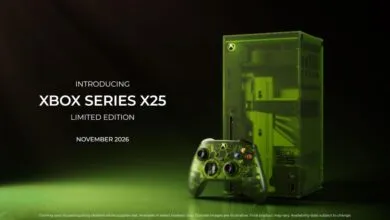
Xbox Exec Comments on Project Helix Chip for Other Devices
▼ Summary
– Xbox is developing a first-party next-gen console called Project Helix, which will play both console and PC games.
– Rumors suggest the AMD chip for Project Helix could also be used in third-party devices from companies like ASUS and MSI.
– An Xbox executive confirmed the first-party console’s development but did not comment on potential third-party use of the chip.
– Any third-party devices would likely be PCs or handhelds, not consoles, and are currently speculative.
– Speculation indicates only first-party systems may have full Xbox backwards compatibility, with third-party devices offering a more limited version.
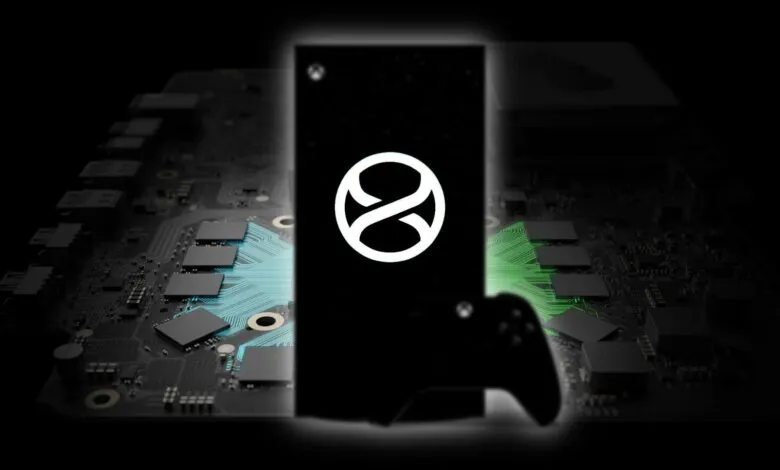
The gaming community has been abuzz with details about Project Helix, Microsoft’s confirmed next-generation console. This in-house developed first-party Xbox console is designed to be a versatile powerhouse, capable of running both dedicated console titles and a vast library of PC games. While the core device is a certainty, recent industry chatter suggests its underlying technology might have a broader reach.
Speculation has emerged that the custom AMD chip powering Project Helix could extend beyond Microsoft’s own hardware. Rumors, amplified by notable leaker KeplerL2, propose that manufacturers like ASUS and MSI could eventually produce their own machines centered on this silicon. Importantly, this would not involve selling the chip directly to consumers, but rather licensing the design for integration into third-party systems. In response to this growing discussion, Xbox executive Jason Ronald offered a clarifying statement on social media, affirming that “Project Helix will be available as a 1st party Xbox console.”
Ronald’s comment firmly establishes the company’s flagship product but leaves the door open regarding other applications for the Helix architecture. The prevailing assumption is that any third-party implementations would likely take the form of handheld PC devices or specialized gaming PCs, rather than direct console competitors. This creates a potential ecosystem where the official Xbox console remains the central, fully-featured experience.
Further speculation from insiders points to a key differentiator: backwards compatibility. Licensing complexities may restrict “actual Xbox BC” to Microsoft’s first-party systems alone. If accurate, this means any third-party device using the Helix chip would function as a more streamlined platform, possibly focused on PC game libraries or streaming, without native access to the full legacy Xbox catalog.
The landscape remains filled with unknowns. The only concrete fact is that a formidable first-party Project Helix system is in development. Whether it spawns a family of related devices from other companies is a question for the future, but the confirmed console itself promises to redefine power and flexibility for gamers.
(Source: Pure Xbox)