Microsoft to Build Native Windows 11 Apps, Phasing Out Web Apps
▼ Summary
– Microsoft is forming a new team to build 100% native apps for Windows 11, moving away from web-based components.
– A major Windows 11 update is planned to improve performance, speed up menus, and allow taskbar resizing and movement.
– A Microsoft architect stated the new apps will not be Progressive Web Apps (PWAs), emphasizing a shift to native development.
– Currently, many Microsoft-built apps like Clipchamp and flagship Copilot products are web apps, not native.
– Third-party developers, such as WhatsApp, have also shifted to web apps, and it’s unclear if Microsoft will push them back to native.
Microsoft is making a definitive shift in its development strategy, committing to create fully native Windows 11 applications and establishing a dedicated internal team to lead this initiative. While the specific framework for all new apps remains unconfirmed, the company has stated that a significant portion will not depend on web-based components, marking a clear departure from recent trends. This move signals a renewed focus on performance and a cohesive user experience for the Windows platform.
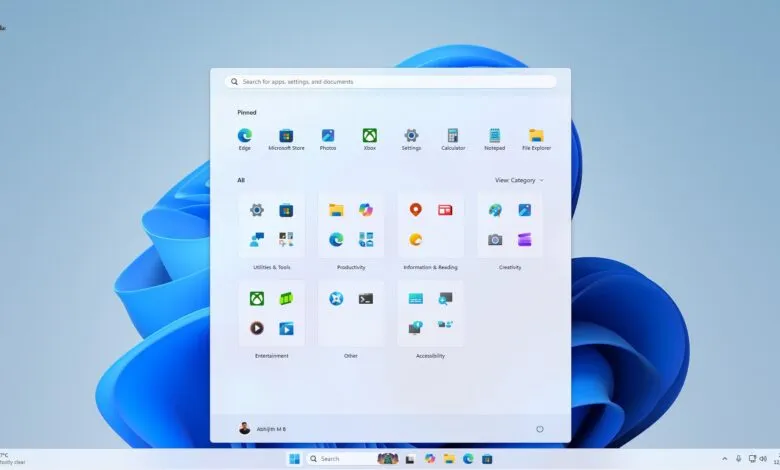
The commitment follows years of user feedback and internal reassessment. Back in 2020, former Windows lead Panos Panay emphasized a goal of making the OS beloved, not just necessary, though tangible changes were slow to materialize. Now, under current leadership, Microsoft is pairing this new app development pledge with a substantial Windows 11 update aimed at core improvements. These enhancements include speeding up the context menu and File Explorer, migrating the Start menu to the modern WinUI framework, and reintroducing user-requested features like a resizable taskbar.
This push for quality extends beyond the operating system itself. Rudy Huyn, a Partner Architect at Microsoft, publicly announced he is forming a team specifically to build superior applications for Windows 11. In a social media post seeking talent, Huyn emphasized that strong product thinking and customer focus were more critical than prior platform experience, inviting developers who have crafted great apps anywhere to join the effort. When questioned if these would be Progressive Web Apps (PWAs), Huyn was unequivocal, stating the new apps will be “100% native.”
The declaration of 100% native apps is a significant one, as many current “native” applications still rely on embedded web components like WebView for certain functions. A true native app built entirely on WinUI would offer superior performance and deeper system integration. Microsoft’s recent history, however, has heavily favored web-based approaches. Core Windows 11 utilities like the Clipchamp video editor are PWAs, and even flagship AI tools like Copilot operate as web applications. This strategy has influenced the broader developer ecosystem, leading popular apps like WhatsApp to abandon native frameworks for Chromium-based web versions.
Key questions remain unanswered. It is unclear whether Microsoft plans to retrofit its existing web-based apps with native interfaces or if this policy applies only to new software. Furthermore, the company’s ability to persuade major third-party developers like Meta to return to native development, potentially through stricter Microsoft Store rules, is yet to be tested. The success of this initiative hinges on Microsoft’s execution and its capacity to rebuild a native app ecosystem that has been neglected for years.
(Source: WindowsLatest)