Nintendo’s 2-Year Race to Finish Metroid Prime 2
▼ Summary
– Nintendo directed Retro Studios to complete Metroid Prime 2 in as short a time as possible after the first game’s development.
– A multiplayer-focused “Metroid Prime 1.5” was initially proposed but Retro Studios opted to create a full standalone sequel instead.
– Development was constrained by a strict schedule with no extensions, requiring rapid resolution of undecided matters in the final months.
– The team used an efficient verbal interpretation method for translating materials from English to Japanese to save time.
– Retro Studios successfully completed the multiplayer mode under tight deadlines, designed for local play and potentially limited in player reach.
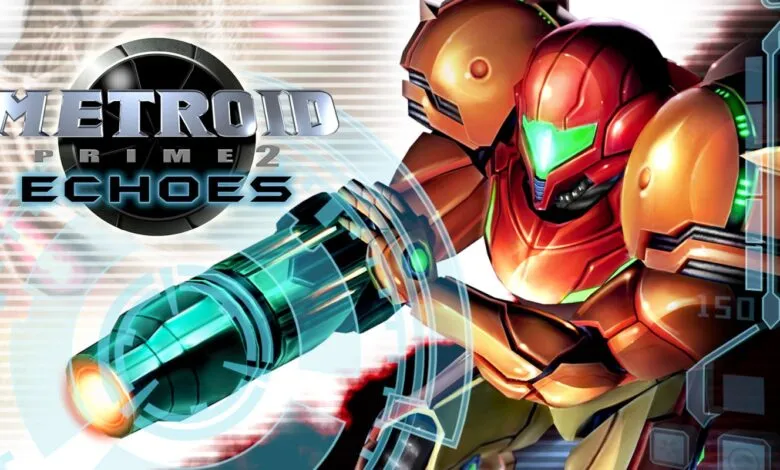
The development of Metroid Prime 2: Echoes was a two-year sprint for Nintendo and Retro Studios, driven by a directive to deliver a follow-up to the acclaimed original in record time. Producer Kensuke Tanabe has detailed the intense pressure the teams faced, revealing that a shorter multiplayer-focused “Metroid Prime 1.5” was initially proposed. However, Retro Studios pushed for a full-fledged, robust standalone sequel, a vision that ultimately shaped the final product.
Tanabe explained that the project began with a non-negotiable two-year deadline. This aggressive timeline meant the final months were a whirlwind of activity, with the team resolving undecided design elements at a breakneck pace. To save precious time, they developed a unique method for translating materials from English to Japanese. An interpreter would quickly read aloud a section in Japanese while translation team members prepared the next pages, creating a continuous, real-time workflow. This allowed for on-the-spot decisions about game specifications.
The collaborative spirit extended to gameplay tuning as well. Tanabe recalled instances where the team would test a freshly built Sub-Guardian boss in an engineer’s personal office, adjusting parameters immediately. He would often rally the team with phrases like, “Alright, let’s overclock our brains now!” Despite the immense pressure, Retro Studios managed to complete the game’s multiplayer mode without sacrificing quality. Tanabe noted that this mode was designed for its era, focusing on local play, which limited its audience. He expressed hope that a potential remake would allow more players to experience it.
This fascinating look into the game’s creation comes from the newly released Metroid Prime 1-3: A Visual Retrospective. The book also offers insights from Retro Studios on the more recent development of Metroid Prime Remastered for the Nintendo Switch.
(Source: Nintendo Everything)