Top 9 Silent Hill Games You Must Play
▼ Summary
– The Silent Hill series has been a leading survival horror franchise for nearly three decades, with recent releases like the 2024 Silent Hill 2 remake and Silent Hill f prompting a retrospective ranking of the best games.
– Silent Hill 2 is ranked as the top game in the series, praised for perfecting the series’ bleak atmosphere and exploring mature themes like grief and guilt through its protagonist James Sunderland.
– The original Silent Hill established the series’ psychological horror tone with its 3D environments, oppressive fog, and emphasis on atmosphere over jump scares, setting a new standard for the genre.
– Silent Hill 3 is highlighted as a direct sequel to the first game, featuring a teenage female protagonist and expanding on the original’s cult storyline while maintaining the series’ signature dread.
– P.T., a playable teaser for the cancelled Silent Hills, is noted for its influential first-person horror design and looping corridor gameplay, despite never becoming a full game.
For nearly thirty years, the Silent Hill series has defined psychological survival horror, creating deeply unsettling experiences that linger long after you stop playing. With the acclaimed 2024 remake of Silent Hill 2 and the recent launch of Silent Hill f, now is the perfect moment to revisit the fog-shrouded town’s most terrifying journeys. This list celebrates the pinnacle of the franchise, from portable nightmares to legendary teasers, while sidestepping its less memorable detours.
Originally released for the PlayStation Portable, Silent Hill: Origins brought the series’ signature dread to a handheld format. This prequel follows truck driver Travis Grady, whose wrong turn leads him into the nightmarish town years before the events of the first game. A standout feature is its reality-shifting mechanic, allowing players to voluntarily transition between the normal world and its grotesque alternate version using mirrors scattered throughout the environment. While this reduces surprise, it creates uniquely chilling puzzles, like interacting with a medical mannequin in one reality only to discover a gruesome corpse in the other. Combined with an atmosphere that rivals the original’s oppressive tone, Origins delivered potent scares on the go.
Silent Hill 4: The Room dramatically altered the series’ formula by moving the horror from the streets to a single apartment. Protagonist Henry Townshend finds himself trapped inside his own home, which serves as both a first-person safe space and a gateway to otherworldly realms accessed through mysterious holes in the walls. These pocket dimensions, including a water prison and abandoned hospital, are visually distinct and deeply disturbing. The apartment itself gradually transforms from sanctuary to haunted prison as the story unfolds. Though its second half introduces a divisive escort mission, the game’s disturbing creature designs, haunting Akira Yamaoka soundtrack, and uniquely claustrophobic hub make it a standout entry. This was the final chapter developed by the original Team Silent.
Not every Western-developed Silent Hill missed the mark. Silent Hill: Shattered Memories reimagined the original game’s premise for the Nintendo Wii, following Harry Mason’s search for his daughter through a radically different lens. It eliminated combat entirely, replacing it with tense chase sequences against unstoppable pursuers. The game made innovative use of the Wii Remote for flashlight control and immersive sound design. Its most distinctive feature was a psychological profiling system, where choices made during therapy sessions dynamically altered the world, enemy designs, and narrative outcomes, leading to one of several possible endings. This bold experiment in adaptive storytelling has since influenced other horror titles.
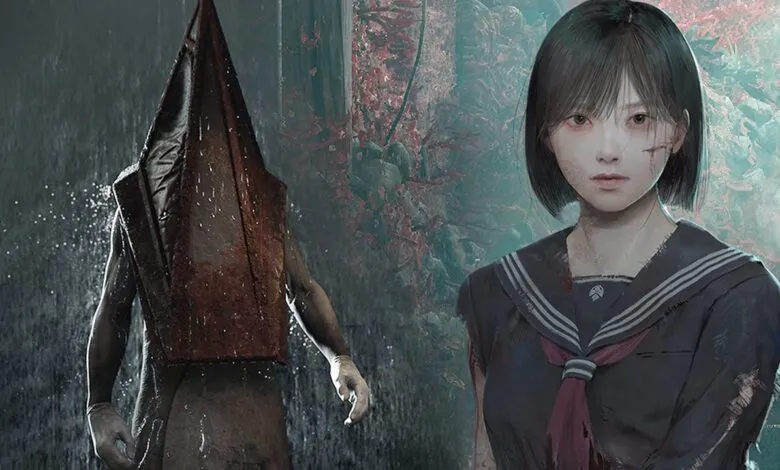
After a thirteen-year wait for a new mainline game, Silent Hill f arrived with a fresh Japanese setting and a focus on methodical melee combat. Its combat system emphasizes deliberate, weighty strikes and resource management, drawing some inspiration from Souls-like games without the extreme difficulty. Weapons degrade with use, adding tension to encounters. The real draw is its powerful narrative, following high schooler Hinako Shimizu as she confronts themes of domestic abuse and bullying. Her journey through a misty mountain village and a mysterious dream realm is both heartbreaking and terrifying, proving the series’ psychological horror transcends its American setting.
Though technically a playable teaser, P.T. became a cultural phenomenon that redefined horror gaming. This free PlayStation 4 demo presented a looping, L-shaped corridor in a suburban home, delivering masterful scares through subtle environmental changes and the sudden, terrifying appearance of the ghost Lisa. Its first-person perspective amplified the claustrophobia, creating an unforgettable experience. After the cancellation of the planned Silent Hills game and its removal from digital stores, P.T. became a legendary piece of gaming history, its influence evident in titles like Layers of Fear and Resident Evil Village.
Silent Hill 3 served as a direct sequel to the original game, delving deeper into its sinister cult mythology. It introduced Heather, a teenage protagonist who remains one of the series’ most well-written and relatable characters. While some critics felt it played things too safe compared to its predecessors, its stunning PS2 visuals, terrifying new monster designs, and compelling story have cemented its status as a classic. In hindsight, its faithfulness to the series’ core identity feels like a strength, especially given the uneven quality of later entries.
The Silent Hill 2 remake masterfully updated the classic for a new generation. Developer Bloober Team preserved the original’s devastating story and characters while enhancing every technical aspect. The fog feels thicker and more oppressive, environments are richly detailed and disgustingly atmospheric, and the lighting creates moments of sheer panic, particularly in the pitch-black Toluca Prison. With refined controls, superb voice acting, and a terrifying soundscape, this is the definitive way to experience one of gaming’s most harrowing tales.
The game that started it all, the original Silent Hill broke from the campy horror of its era to pioneer a new form of psychological terror. Blending influences from Stephen King and David Lynch, it placed players in the shoes of Harry Mason, a father searching for his missing daughter in an eerily empty town. Its pioneering use of 3D environments allowed for the now-iconic fog and darkness, which were initially technical workarounds that became powerful tools for fear. The radio’s static warning of nearby monsters and the overwhelming dread of the unknown established a slow-burn horror standard that continues to inspire developers today.
Silent Hill 2 stands as the series’ crowning achievement, a masterpiece of psychological horror that explores profound themes of grief, guilt, and trauma. Players control James Sunderland, a widower drawn to the town by a mysterious letter, and are forced to confront the manifestations of his crumbling psyche. It tackled taboo subjects with a maturity rarely seen in games, introducing the iconic, terrifying Pyramid Head as a relentless symbol of punishment. From its heartbreaking narrative to its oppressive atmosphere and unforgettable monster designs, Silent Hill 2 remains the benchmark against which all other horror games are measured.
(Source: IGN)