Wildfire smoke poses greater prenatal risk than human pollution
▼ Summary
– A 1965 advisory panel warned about chemical and carbon pollution’s harm to health and climate, leading to the 1970 Clean Air Act, which cut harmful pollutant emissions by nearly 80 percent.
– Wildfire smoke from fossil fuel-driven warmer, drier conditions is now reversing air-quality gains and is more toxic than other pollution sources.
– A new University of Maryland study found wildfire smoke is offsetting prenatal air-quality improvements, disproportionately affecting low-income, rural, and Indigenous populations.
– Prenatal exposure to wildfire smoke significantly raises the risk of babies being born too early or too small, increasing their chances of early death or chronic respiratory diseases later in life.
– The study’s key contribution is its focus on vulnerable unborn infants, examining their exposure during the prenatal period, according to senior author Michel Boudreaux.
In 1965, a presidential advisory panel issued a stark warning about the dangers of chemical and carbon pollution, noting its harmful effects on environmental health and its role in altering the climate. Just five years later, President Richard Nixon signed the Clean Air Act into law. Since that landmark legislation and its subsequent amendments took effect, combined emissions of six major air pollutants from vehicles and industrial sources have dropped by nearly 80 percent.
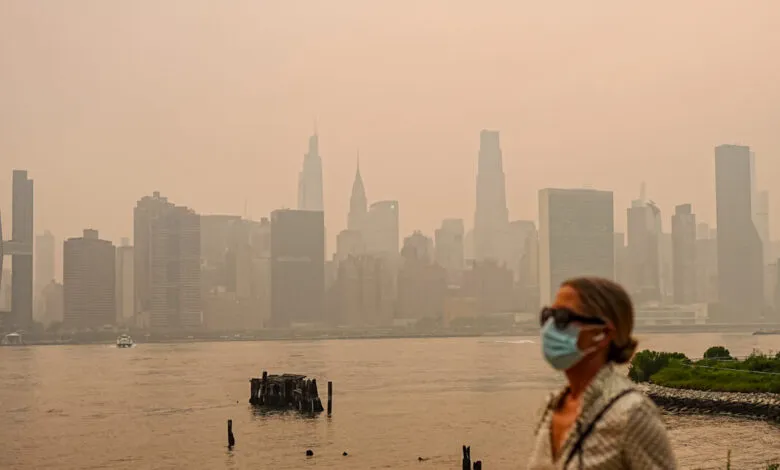
However, a growing body of research suggests that smoke from wildfires is now undermining those hard-won gains. The continued burning of fossil fuels has created hotter, drier conditions that fuel more intense and destructive blazes, which in turn blanket communities in toxic smoke that poses a greater health threat than typical urban pollution.
A new study adds to this concern by revealing that wildfire smoke is erasing the public health benefits of cleaner air for one of the most vulnerable groups: unborn babies. Researchers from the University of Maryland, College Park found that the rise in wildfire activity is “systematically offsetting prenatal air quality gains” achieved through reduced emissions from vehicles, refineries, factories, and other human sources. The findings were published Thursday in Frontiers in Environmental Health.
The study also highlights a troubling disparity: low-income, rural, and Indigenous communities are bearing the heaviest burden of wildfire-related air quality declines. The authors emphasize that these populations are disproportionately exposed to the harmful effects of smoke.
What sets this research apart is its focus on a highly susceptible demographic, according to senior author Michel Boudreaux, an associate professor of health policy and management. “We were looking at infants that were born and what their exposure was like during the prenatal period,” he said. The study zeroes in on a “very specific population that is quite at risk for adverse health outcomes.”
The implications are significant. Prenatal exposure to wildfire smoke substantially increases the likelihood of premature birth and low birth weight, conditions that elevate the risk of early death and the development of chronic respiratory issues and other diseases later in life.
(Source: Ars Technica)