The First iPhone With Lightning Port Is Now Obsolete
▼ Summary
– The iPhone 5 and the 8GB iPhone 4 have been moved from Apple’s vintage list to its obsolete product list.
– Apple defines a product as obsolete after approximately seven years, at which point repairs and parts are generally no longer provided.
– The iPhone 5, released in 2012, was previously on the vintage list where limited repairs were possible if parts were available.
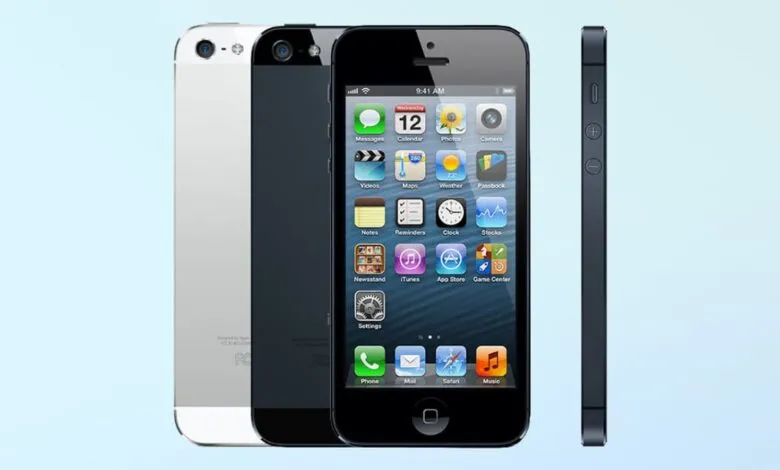
– Key features of the iPhone 5 included a new design with a 4-inch display, LTE support, and the first Lightning port.
– Both the iPhone 5 and the 8GB iPhone 4 were sold as lower-cost options in emerging markets after being discontinued in the U.S.
A significant chapter in smartphone history has officially closed, as Apple has reclassified the iPhone 5 as an obsolete product. This designation, detailed on the company’s official vintage and obsolete products list, also includes the 8GB model of the iPhone 4. This move marks the end of any official hardware service or repair support from Apple for these models, effectively concluding their functional lifecycle within the company’s ecosystem.
Apple defines a product as “vintage” once it has been more than five years since the company last distributed it for sale. The “obsolete” status follows at the seven-year mark, though Apple occasionally extends these timelines. When a device is vintage, Apple retail stores and authorized service providers may still offer repairs, but only if the necessary components remain in stock. Once a product is declared obsolete, it is generally ineligible for any hardware service, and Apple ceases to supply repair parts entirely.
The iPhone 5 originally launched in 2012 and was discontinued the following year with the introduction of the iPhone 5s and iPhone 5c. It entered Apple’s vintage category back in 2018, at which point repair options became strictly dependent on parts availability. Its new obsolete status means those repair avenues are now almost entirely closed.
The iPhone 5 was a landmark device, introducing several firsts for the iconic smartphone line. It debuted a completely redesigned chassis crafted from glass and aluminum, moved to a taller 4-inch display, and was the first iPhone to offer 4G LTE connectivity. Perhaps most notably, it was the first model to feature the now-ubiquitous Lightning port, replacing the bulky 30-pin connector that had been standard for years.
As for the 8GB iPhone 4, Apple first introduced this specific configuration in 2011 before discontinuing it in 2013. Following their discontinuation in primary markets like the United States, both the iPhone 5 and the 8GB iPhone 4 were often remarketed as more affordable options in various emerging markets, extending their usable life for several additional years.
(Source: Mac Rumors)