2026 Toyota bZ: The Most Improved EV Award Winner
▼ Summary
– Toyota, the world’s largest automaker, has historically prioritized hybrids over full battery-electric vehicles (BEVs) due to concerns about battery supply.
– The company’s first BEV, the bZ4x, had a problematic launch with a recall and received mixed reviews for being unremarkable.
– Toyota recently updated its EV platform, simplifying the name to “bZ,” adding a new battery pack, and switching to a Tesla-style NACS charging port for North America.
– The updated bZ model shows significant range improvement, with the tested version achieving 314 miles compared to the previous model’s 252 miles.
– Despite being less powerful and luxurious than its Lexus counterpart, the Toyota bZ is considered a better EV, offering adequate performance with 221 horsepower and an 8-second 0-60 mph time.
Toyota’s journey into the world of battery-electric vehicles has been a complex one. As the undisputed leader in hybrid technology, the company has often emphasized a diversified approach to electrification. Its initial foray into the pure EV market, however, faced significant hurdles, including a high-profile recall and a lukewarm critical reception for its first model. Recognizing the need for a substantial upgrade, Toyota has thoroughly refined its electric offering for 2026, resulting in a vehicle that earns the title of most improved EV.
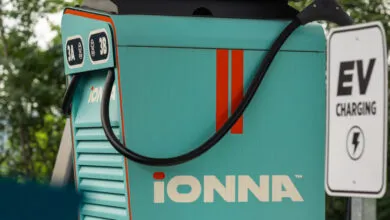
The updates are both meaningful and practical. The model now carries the simplified name bZ, moving past its more cumbersome predecessor. Underpinning this change is a new 74.7 kWh battery pack and updated drive units featuring silicon carbide power electronics, available in front- or all-wheel-drive configurations. Perhaps the most user-friendly enhancement for American drivers is the switch from a CCS1 port to a Tesla-style NACS charging socket, significantly improving access to the expansive Supercharger network.
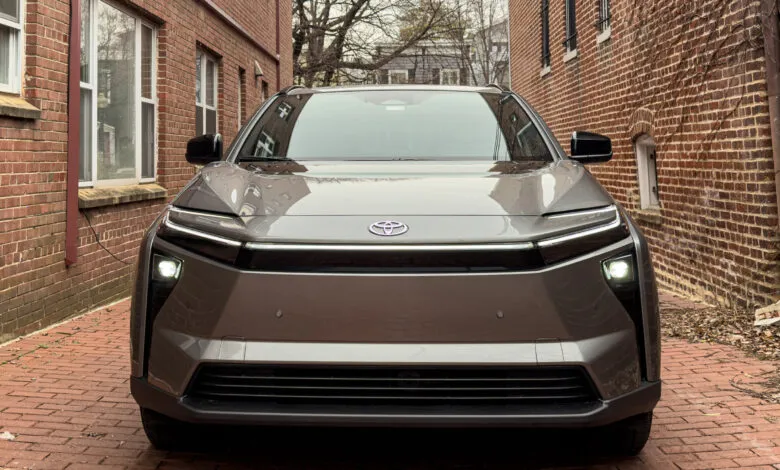
The tangible benefits of these engineering changes are immediately apparent in the vehicle’s range. Our test model, the $37,900 XLE FWD Plus, achieves an EPA-estimated 314 miles on a single charge. This marks a dramatic leap forward from the pre-update version’s 252-mile range, showcasing the effectiveness of Toyota’s revisions. The vehicle’s dimensions remain practical for an urban-oriented SUV, measuring 184.6 inches in length, 73.2 inches in width, and 65 inches in height, all wrapped in a pleasingly conventional exterior design.
Spending time with the bZ immediately after driving its more luxurious Lexus counterpart provided a revealing contrast. While the Toyota may forgo some premium amenities like ventilated seats, it delivers a more cohesive and satisfying electric driving experience. The front-wheel-drive XLE Plus generates 221 horsepower, which is adequate rather than exhilarating. It accelerates from zero to sixty miles per hour in about eight seconds in its normal driving mode, with enough instant torque to briefly overcome the grip of its efficiency-focused tires. The overall impression is one of competent, reliable transportation where the fundamentals of range, charging convenience, and daily usability have been thoughtfully addressed and significantly enhanced.
(Source: Ars Technica)