Your Keys Are Obsolete: The New Smart Lock Standard Is Here
▼ Summary
– Aliro is a new open smart lock standard that allows any smartphone to unlock any compatible lock by storing a digital key in the phone’s wallet for a tap-to-unlock action.
– Unlike Apple’s Home Key, Aliro is cross-platform, working on both iOS and Android and with the major mobile wallet ecosystems from Apple, Google, and Samsung.
– The standard uses NFC and Bluetooth for tap-to-unlock and supports UWB for hands-free unlocking, operating locally without requiring a cloud connection or app.
– While backed by major tech and lock companies, widespread adoption will require new hardware, as most existing smart locks will not be upgraded to support Aliro.
– Aliro is managed by the Connectivity Standards Alliance and is designed to work alongside Matter to reduce smart lock fragmentation and make digital keys universal.
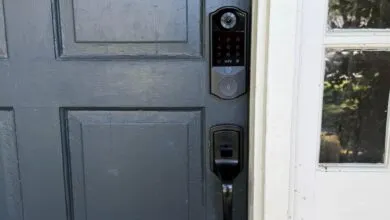
The era of being locked into a single brand’s ecosystem for your smart lock is coming to an end. Aliro, the new universal smart lock standard, has officially launched its 1.0 specification, paving the way for a future where any smartphone can unlock any compatible door. This open standard, developed by over 220 companies including Apple, Google, and Samsung, stores a digital key in your phone’s wallet. You simply tap your device to the lock, similar to using contactless payment, to gain entry. Unlike proprietary systems, Aliro works across both iOS and Android, breaking down the walls between different mobile platforms.
The core promise of Aliro is to fix the frustrating fragmentation that has plagued smart locks. No longer will you need a specific app or phone model; a digital key on your phone or smartwatch could open your home, office, or apartment building, regardless of the lock manufacturer. The technology uses a local protocol, meaning it doesn’t require a cloud connection or even an app to function, your phone communicates directly with the lock via NFC (Near Field Communication) and Bluetooth Low Energy (BLE).
For enhanced convenience, Aliro also supports Ultra-Wideband (UWB) technology. This enables true hands-free unlocking, where the door automatically unlocks as you approach, similar to features recently added to Apple’s Home Key. UWB provides precise positioning, so the lock knows you’re walking toward it from the outside. The standard’s security relies on asymmetric cryptography, creating a secure, direct link between your device and the lock.
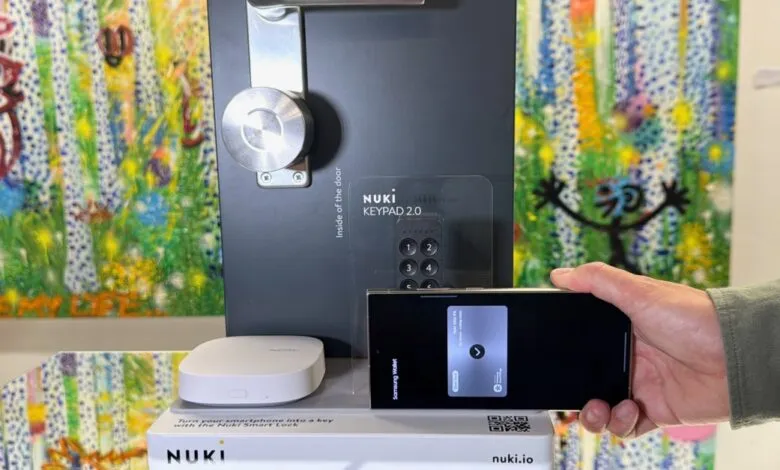
While the vision is compelling, widespread adoption will take time and will likely require new hardware. Most existing smart locks, even recent models with NFC, are not expected to receive over-the-air updates to support Aliro. Major manufacturers like Kwikset, Yale, and Schlage have confirmed their commitment to the standard but indicate support will come in future products. Some companies, like Nuki, are exploring add-on keypads to bring Aliro functionality to existing retrofit locks.
The rollout will likely happen in phases, with NFC-based tap-to-unlock arriving first due to its widespread presence in smartphones. UWB integration, while offering a superior hands-free experience, is a bigger technical challenge for lock makers and requires newer phones like the iPhone 11 and later or recent Google Pixel and Samsung Galaxy models. Early products signaling the shift include the Aqara U400 lock, marketed as “Aliro-ready,” and Schlage’s announced but not yet launched Sense Pro.
In the broader smart home, Aliro is designed to work alongside the Matter standard. Initially, it will require a Matter-compatible platform like Apple Home or Google Home to manage the creation and sharing of digital keys. This setup means your smart home platform, not the lock company, would control the key administration. However, this dynamic may evolve as manufacturers assess how much control they are willing to cede.
The ultimate goal for many in the industry is a seamless, almost magical entry experience. As one executive noted, the direction should be toward a door that unlocks automatically as you approach, without any need to fumble for a phone or tap a screen. By creating a common language for digital keys, Aliro has the potential to drive mass-market adoption of smart locks, reducing reliance on proprietary apps and finally making the smartphone a truly universal key. The path is now clearer, even if the journey to every door will take some time.
(Source: The Verge)