Why the Pixel 10a and Galaxy S26 Aren’t for You
▼ Summary
– The Google Pixel 10a is a very minor update from the Pixel 9a, featuring only small changes like a new camera design and upgraded glass.
– Similarly, the upcoming Samsung Galaxy S26 series, especially the base and Plus models, appear to be very minor upgrades with just a new chip and slight design tweaks.
– These phones are not primarily aimed at tech enthusiasts but at users with much older models, for whom they represent a significant upgrade.
– A key reason for yearly releases is branding and carrier demands, as companies need new models for store shelves and promotional timetables.
– For Samsung, the Galaxy S26 also serves to maintain the appearance of innovation and forward momentum, even if the changes are minimal.
The latest smartphone releases, like the Google Pixel 10a and the upcoming Samsung Galaxy S26, often feel like minor, iterative updates to their predecessors. For tech enthusiasts who eagerly await each new model, these launches can be underwhelming. However, it’s crucial to understand that these devices aren’t primarily designed for that audience. Their real purpose is to serve as a significant upgrade path for users holding onto much older phones, while also fulfilling the relentless market and carrier demands for annual product cycles.
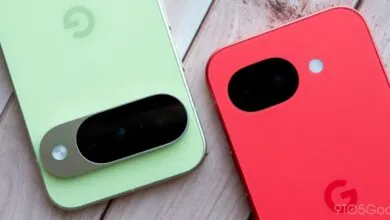
Looking at the Pixel 10a, the list of genuine improvements is short. It features a redesigned, completely flat camera bar, some fresh color options, a new modem that includes satellite connectivity support, and slightly upgraded display glass with marginally smaller bezels. While the tougher glass is a meaningful upgrade, the overall package doesn’t scream “must-have” for anyone who bought last year’s model. The story is similar for the Galaxy S26, especially the standard and Plus variants. Early indications point to a new processor and subtle design adjustments, amounting to what seems like a very incremental step forward.
So, who are these phones for? They target a different group entirely. For someone upgrading from a Pixel 4a, 5a, or even a 6a, the Pixel 10a represents a substantial leap in performance, camera technology, and software support. Google’s promotional trade-in values for those older models make this target audience perfectly clear. The same logic applies to the Galaxy S26. A user moving on from a Galaxy S21 or S22 will experience a much faster device with years of new software updates and accumulated features, all within a comfortably familiar design.
This raises a logical question: why not just keep selling the Pixel 9a for another year? The reasons are multifaceted. Branding and marketing play a huge role; having a “Pixel 9a” on shelves next to a future “Pixel 11” creates a confusing and dated product lineup. Furthermore, the carrier sales model is a powerful driver. Wireless providers structure their promotions and upgrade timetables around the expectation of new devices each year, creating immense pressure on manufacturers to comply, regardless of how groundbreaking the new hardware may be.
For Samsung, the Galaxy S26 may also be about maintaining momentum and public perception. Industry reporting suggests the S26’s development faced significant challenges and last-minute changes. Releasing a visibly new model, even with modest changes, allows the company to present a facade of steady innovation and forward progress. It signals to the market and to consumers that the flagship line is alive, well, and evolving.
Ultimately, while the latest “a” series Pixel or base-model Galaxy might not excite the tech-savvy crowd, they fulfill a specific and important role. They provide a reliable and familiar upgrade path for millions of users on older hardware, ensuring they can access modern performance and security. They also satisfy the systemic demands of the global smartphone sales machine, which is built upon the rhythm of annual releases.
(Source: 9to5 Google)