CES 2026: Where Gaming Monitors Stole the Show
▼ Summary
– CES 2026 highlighted significant advancements in OLED monitors, particularly through new subpixel layouts from Samsung and LG designed to reduce text fringing.
– Samsung’s new “V-Stripe” QD-OLED and LG’s revised WOLED panels both use vertically lined rows of red, green, and blue subpixels to improve text clarity.
– Several manufacturers, including MSI, HyperX, and Asus, announced new gaming monitors at CES utilizing these improved OLED panels with high refresh rates and resolutions.
– Nvidia’s upgraded G-Sync Pulsar blur reduction technology debuted in new monitors, offering dramatically improved motion clarity through a rolling strobing backlight technique.
– While new OLED monitors remain premium, the arrival of improved panels may drive down prices for older models, making high-quality gaming monitors more accessible.
While much of the focus at the recent consumer electronics show centered on artificial intelligence, a quieter revolution was unfolding for PC gamers. The most compelling hardware advancements at the event came from the world of gaming monitors, with significant leaps forward in both OLED and IPS panel technologies that promise to dramatically enhance the visual experience.
For years, OLED monitors have faced a persistent criticism that held many potential buyers back. Beyond concerns over cost and the risk of burn-in, a technical issue known as text fringing made them less than ideal for general desktop use. Small, detailed elements like text could appear slightly fuzzy or shadowy on screen. This problem stems from the unique subpixel layouts used in OLED panels, whether it’s Samsung’s QD-OLED with its triangular RGB arrangement or LG’s WOLED with its row of red, green, blue, and white subpixels. Neither could match the text clarity of a traditional LCD.
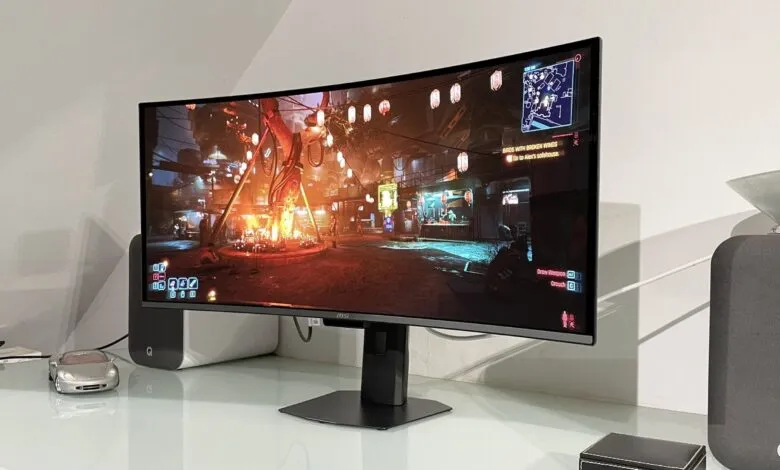
The breakthrough showcased at the show involves a fundamental redesign of this layout. Both major manufacturers are now moving toward a new structure featuring vertically aligned rows of red, green, and blue subpixels. Samsung has adopted a row-based design, while LG has gone a step further by eliminating the white subpixel entirely. This shared approach aims to sharply reduce the color fringing that has plagued previous OLED displays. We witnessed this new Samsung panel in action within MSI’s MPG 341CQR QD-OLED X36, an ultrawide monitor boasting a 360Hz refresh rate. The improvement in text clarity was noticeable, though the overall pixel density of this particular model imposes some limits.
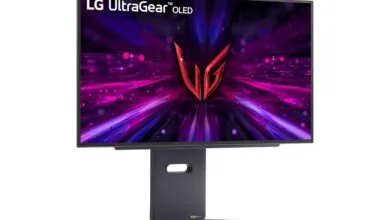
This new panel technology is quickly spreading. HyperX introduced its first-ever monitor, the Omen OLED 34, which utilizes Samsung’s latest “V-Stripe” layout. Meanwhile, Asus unveiled two new models: the ROG Swift PG34WCDN with a Samsung panel and the ROG Swift PG27UCWM, which uses LG’s new design in a 27-inch, 4K, 240Hz package. The higher pixel density of this 4K display should make text appear exceptionally sharp. LG also showcased its impressive UltraGear Evo 39GX950B, a massive 39-inch monitor with a 5,120 x 2,160 resolution. While it uses an older panel design, its sheer pixel density and latest-generation OLED tech make it a formidable contender.
Beyond clarity, efficiency is also improving. Intel and Samsung announced a partnership to enhance OLED power consumption through a technology called SmartPowerHDR, which dynamically adjusts screen voltage in HDR mode. Furthermore, new OLED TV panels capable of extreme peak brightness levels were revealed, signaling progress that may eventually benefit desktop monitors as well.
The excitement wasn’t confined to OLED. IPS panels received a major boost from an upgraded version of Nvidia’s G-Sync Pulsar technology. This blur-reduction system works by strobing the monitor’s backlight to eliminate the perceived motion blur caused by pixel persistence. The latest iteration refines the process by strobing just one horizontal strip of pixels at a time, synchronized with the screen’s scanout. Nvidia claims this rolling strobing method offers “4x the effective motion clarity” with reduced flicker compared to older solutions like ULMB. Hands-on impressions were overwhelmingly positive, with one observer noting the profound improvement in motion clarity made other high-end monitors feel inadequate.
This leaves gamers with an enviable, if difficult, choice. Do you prioritize the incredible motion clarity of the latest IPS displays with G-Sync Pulsar, or the vibrant colors and perfect blacks of the new, sharper OLED panels? Cost will be a significant factor. While OLED prices are trending downward, new models like the MSI ultrawide carry a premium. However, the arrival of these superior panels may drive down prices for older OLED designs, making that technology more accessible. We’ve already seen previous-generation OLED monitors dip near the $400 mark during sales, a trend that will likely continue.
Amidst discussions of component shortages and AI hype, the tangible progress in display technology stands out. This year promises genuine, exciting improvements for anyone looking to upgrade their gaming setup, offering both clearer motion and more accurate colors than ever before.
(Source: PC Gamer)