Xbox 2026: Halo on PlayStation, Fable’s Return & More

▼ Summary
– The future of Xbox is uncertain, with major 2025 layoffs and studio closures raising questions about its strategy and brand viability.
– Microsoft’s approach to exclusives is shifting, as games like *Starfield* and *Halo* are expected to release on PlayStation to maximize revenue from costly development.
– Key 2026 releases include *Forza Horizon 6* in Japan, the *Fable* reboot, *Gears of War: E-Day*, and major Activision Blizzard titles like a new *Call of Duty*.
– Microsoft is discussing a next-generation console that may function more like a PC with multiple storefronts, while current hardware faces criticism for high prices and lack of power compared to rivals.
– The Xbox brand faces a crucial year, with challenges including proving the value of a price-hiked Game Pass and maintaining developer support amid a potentially shrinking install base.
Predicting the trajectory of Xbox has become a formidable challenge, with the brand’s future feeling more uncertain than ever as we approach 2026. Following a year of significant studio closures and layoffs, Microsoft faces the dual task of justifying rising hardware and subscription costs while convincing players its ecosystem remains a vital investment. The coming year will be pivotal, defined by major game releases, strategic shifts in exclusivity, and mounting pressure to define the brand’s core identity.
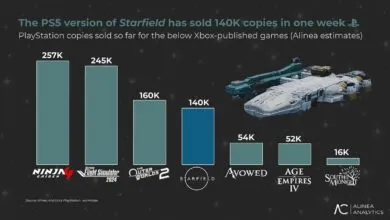
The very concept of platform exclusives is undergoing a radical transformation at Xbox. The enormous cost of game development makes limiting a title to one audience increasingly difficult to justify. While Sony’s move to bring Helldivers 2 to Xbox may be seen historically as a brand-saving maneuver, it simultaneously makes dedicated Xbox hardware a tougher sell. The next major franchise expected to make the leap is Starfield, with rumors suggesting a substantial overhaul could accompany its eventual PlayStation debut, aiming to maximize returns on Bethesda’s lengthy investment.
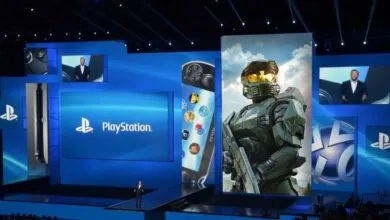
Perhaps the most symbolic shift will be the arrival of Halo on PlayStation this year. Halo: Campaign Evolved will introduce the iconic single-player experience, and it seems almost inevitable that the comprehensive Master Chief Collection will follow, allowing a new generation of players to experience the saga. Alongside these cross-platform ventures, new entries in beloved franchises are on the horizon. Forza Horizon 6 is finally heading to Japan, fulfilling a long-standing fan request, though detailed gameplay remains under wraps.
Another highly anticipated title is Playground Games’ Fable reboot. This RPG has experienced several delays but promises to retain the distinctive British humor of the original series. Gamers are still awaiting a substantial gameplay showcase, unlike the impressive demonstrations seen for titles like Clockwork Revolution. The year will also see the return of Marcus Fenix in Gears of War: E-Day, a prequel story, and the Lord of Hatred expansion for Diablo IV.
A major focus will be on Activision Blizzard’s portfolio under Microsoft. The annual Call of Duty release continues, but the pattern is shifting; the Black Ops sub-series appears to be on hiatus, with leaks pointing to Call of Duty: Modern Warfare 4 taking its place. Additionally, World of Warcraft‘s Midnight expansion and the return of BlizzCon will keep the spotlight firmly on the publisher.
Third-party support presents a mixed picture. Major launches like Pragmata, Resident Evil Requiem, and 007 First Light are confirmed. However, Sony securing the marketing rights for Grand Theft Auto VI could significantly impact console sales, potentially swaying casual players toward PlayStation. Furthermore, Xbox Game Pass faces its own test following price increases. Microsoft pledged more day-one releases from both first and third-party studios. While 2025 delivered critical darlings like Clair Obscur: Expedition 33 and Hollow Knight: Silksong, maintaining that momentum with over 75 annual additions is a formidable challenge.
Microsoft has already started discussing its vision for the next hardware generation, which may resemble a PC-like device supporting multiple storefronts rather than a traditional console. While a 2026 launch is unlikely, the company’s messaging suggests the current generation is effectively over. The Xbox Series S now costs nearly as much as the base PS5 despite being less powerful and offering fewer exclusive titles, a difficult position exacerbated by Microsoft’s decision not to counter the PS5 Pro.
After implementing two rapid price hikes, Microsoft must work harder to convince consumers they need an Xbox or a Windows PC for gaming. Promised improvements to the Windows gaming experience are in the pipeline, but progress may be slow. For 2026, hardware news may center on peripherals, with a refreshed Xbox Elite Controller featuring haptic feedback inspired by the DualSense being a strong possibility, alongside new color variants for the standard pad.
This moment of uncertainty is not entirely new for Xbox, having survived the original console’s launch and the rocky debut of the Xbox One. The current climate feels distinct, however, given the colossal financial outlay for acquisitions and internal pressure for profitability. The question of whether the next generation will be Xbox’s last in the hardware space is now a legitimate topic of discussion. If Microsoft pivots to a third-party model, it would likely hinge on aggressively expanding Xbox Game Pass, a service that must now demonstrate clear value to justify its increased cost.
A critical concern is whether a shrinking install base might lead developers to prioritize Sony and Nintendo platforms. This prospect underscores the high stakes for 2026. The year will be crucial in determining if Xbox can reignite the innovative spirit that launched its gaming division or if it will fundamentally redefine its role within the industry.
(Source: TechRadar)