▼ Summary
– A recent study suggests humans may have caused Pleistocene megafauna extinction by hunting them for food.
– Archaeologists analyzed butchered animal bones from over 11,600-year-old sites in South America.
– Extinct megafauna like giant sloths and elephant relatives comprised over 80% of bones at most sites.
– Hunters showed clear preference for large prey, including giant armadillos and extinct horses.
– Regional dietary differences existed, with elephant relatives favored in Chile and giant sloths in Patagonia/Pampas.
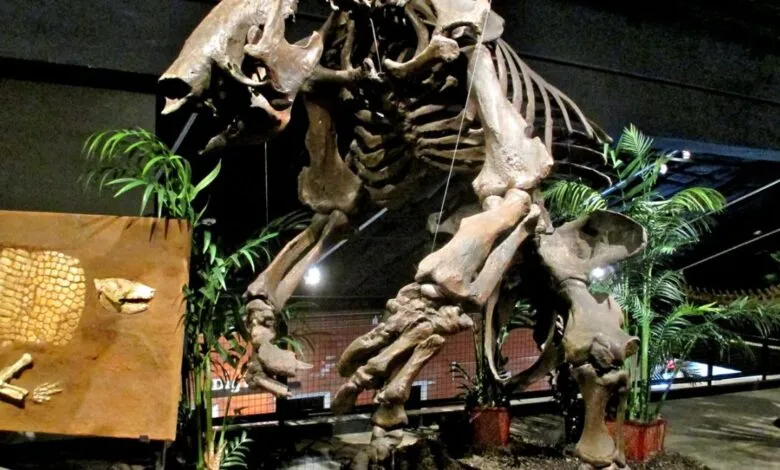
New research suggests that ancient human hunters in South America deliberately targeted massive Ice Age creatures, which may have significantly contributed to the extinction of these colossal animals. A recent archaeological study provides compelling evidence that Paleolithic hunters showed a strong preference for hunting giant sloths, enormous armadillos, and elephant-like mammals, potentially driving them to extinction through sustained predation.
Archaeologists from Mexico’s National University of La Plata conducted a comprehensive analysis of animal remains at twenty different archaeological locations across Argentina, Chile, and Uruguay. The research team, led by archaeologist Luciano Prates, specifically examined bones displaying clear indications of human processing, including cut marks from stone tools and percussion fractures from marrow extraction. Their investigation focused on sites dating back more than 11,600 years, a period just before the continent’s last Ice Age megafauna disappeared completely.
The researchers categorized bones according to animal size, with “megafauna” defined as creatures weighing over 44 kilograms. They compared remains from extinct giant species against bones from smaller surviving animals and still-living megafauna such as vicuñas. This methodology allowed them to determine whether these enormous prehistoric creatures formed a substantial part of ancient human diets.
Findings revealed that at fifteen of the twenty sites studied, the majority of butchered bones came from species that are now extinct. Even more strikingly, at thirteen locations, remains of Pleistocene megafauna constituted over 80 percent of all animal bones showing evidence of human processing. This overwhelming dominance suggests early hunters actively sought out the largest available prey when possible.
Regional variations in hunting preferences emerged from the data. In central Chile, the most commonly hunted species appears to have been Notiomastodon platensis, an elephant relative comparable in size to modern Asian elephants but lacking tusks. Meanwhile, across Patagonia and the Pampas grasslands of Uruguay and Argentina, ancient hunters focused primarily on two separate species of giant ground sloths. These patterns indicate that while different regions featured different megafauna, human hunters consistently targeted the largest available animals in each environment.
This concentration on massive prey species suggests human hunting pressure may have been a decisive factor in the disappearance of South America’s Ice Age giants. The consistent pattern across multiple archaeological sites provides strong evidence that human predation, rather than climate change alone, likely played a crucial role in the extinction of these magnificent creatures.
(Source: Ars Technica)