Top Budget Phones: Apple vs. Google vs. Samsung Winner

▼ Summary
– Apple, Google, and Samsung are competing in the midrange phone market with the iPhone 17e, Pixel 10a, and Galaxy A56 5G, respectively.
– The Google Pixel 10a, starting at $499, is positioned as the best value with a high-brightness display and a large battery.
– The iPhone 17e, starting at $599, is highlighted for having the best performance via the A19 chip and support for the MagSafe accessory ecosystem.
– The Samsung Galaxy A56, also starting at $499, is noted for having the most versatile camera system and a highly customizable One UI 7 interface.
– The article’s writer personally prefers the iPhone 17e due to its performance and accessory support, though each phone targets different user priorities.
The midrange smartphone market is heating up with compelling new options from the industry’s biggest players. For consumers seeking flagship-like performance without the premium price tag, the latest offerings from Apple, Google, and Samsung present a fascinating choice. Each device carves out its own niche, prioritizing different aspects of the user experience to appeal to distinct buyer priorities.
The iPhone 17e starts at $599, the Google Pixel 10a begins at $499, and the Samsung Galaxy A56 5G is also priced from $499. While they share a focus on dependable daily performance, their approaches diverge significantly in hardware, software, and ecosystem integration.
Google Pixel 10a: Best Value and Display For shoppers prioritizing cost and screen quality, the Pixel 10a stands out. Its starting price undercuts the iPhone 17e by a notable margin while offering a superior visual experience. The device features a brilliant 6.3-inch Actua display capable of an impressive 3,000 nits of peak brightness, ensuring perfect visibility outdoors. A smooth 120Hz refresh rate makes every interaction feel fluid. Under the hood, the Google Tensor G4 processor and a substantial 5,100mAh battery deliver strong performance and endurance. The main drawback is the lack of support for Google’s Pixelsnap magnetic accessory system, which limits wireless charging and accessory options available to other Pixel 10 models.
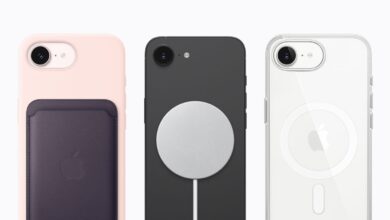
iPhone 17e: Peak Performance and Ecosystem If raw power and a polished accessory ecosystem are your main concerns, the iPhone 17e is the top contender. It is powered by the same Apple A19 chip found in the standard iPhone 17, providing exceptional speed for gaming, multitasking, and AI features. This performance parity with more expensive models is a key advantage. Furthermore, it includes full support for MagSafe, granting access to a vast and sophisticated market of magnetic chargers, wallets, and mounts. The trade-off is a higher entry price and a smaller battery compared to its Android rivals.
Samsung Galaxy A56: Camera Versatility and Customization The Samsung Galaxy A56 excels in photographic flexibility and software personalization. Its versatile camera system includes a 50MP main sensor, a 12MP ultrawide lens, and a 5MP macro camera, allowing for a wide range of shot types from expansive landscapes to detailed close-ups. It runs One UI 7, an operating system renowned for its deep customization. Users can extensively personalize their home screens, quick panels, and notifications. While it matches the Pixel 10a on price, its Exynos 1580 processor is generally less powerful than the competition.
Choosing between these three excellent phones ultimately comes down to personal priority. The Pixel 10a offers the best combination of affordability, a stunning screen, and capable hardware. The iPhone 17e delivers unmatched processing power and seamless integration into the MagSafe ecosystem. The Galaxy A56 provides the most camera versatility and a highly customizable software experience. For users who demand top-tier performance and plan to utilize a wide range of accessories, the iPhone 17e presents the most compelling overall package, justifying its higher starting cost.
(Source: ZDNet)