Groundwater Crisis Solutions: How to Reverse the Damage
▼ Summary
– A new scientific study examines global cases of groundwater recovery to identify successful strategies.
– Groundwater is a critical resource because it is typically clean, abundant, and energy-efficient to access.
– In many regions, groundwater is being pumped out faster than natural recharge from precipitation can replace it.
– Overuse causes the water table to drop, leading to dry wells, higher pumping costs, and land subsidence.
– These problems can be reversed if the rate of water entering the aquifer exceeds the withdrawal rate.
While discussions of water sustainability often focus on looming shortages, a growing body of evidence shows that reversing groundwater depletion is possible. A recent scientific review of global case studies highlights the practical strategies that have successfully restored aquifers, offering a crucial blueprint for water security. This research moves beyond diagnosing the problem to identifying proven solutions for one of the planet’s most critical resources.
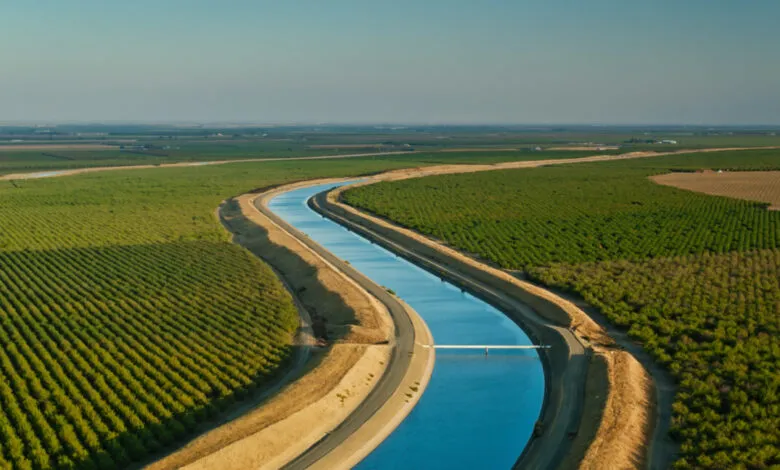
This underground water is a cornerstone of modern life, prized for its relative cleanliness, widespread availability, and reliability. Unlike seasonal rivers or lakes, vast aquifer systems provide a consistent supply that supports drinking water, global agriculture, and industry. Its proximity often makes it less energy-intensive to access than distant surface sources, cementing its role in communities and economies worldwide.
The crisis emerges when extraction consistently outpaces natural renewal. In too many regions, the volume pumped for human use far exceeds the rate at which precipitation can seep down and replenish groundwater stores. This imbalance creates a long-term deficit, drawing down the water table.
In shallow aquifers, heavy pumping causes the water table to drop, most severely around the wells themselves. Groundwater flows slowly through rock and soil, so the water level does not remain even like a lake surface. The consequences extend beyond a simple shortage. As levels fall, the cost of pumping rises, shallow wells go dry, and communities face land subsidence. This sinking occurs when water pressure in the sediments drops, causing the ground above to compact permanently.
These damaging trends are not inevitable. Recovery begins when the equation flips, and the total water entering an aquifer surpasses the amount being withdrawn. Achieving this balance requires deliberate policy and management, but the documented successes provide a clear path forward.
(Source: Ars Technica)