Slate EV Truck Hits 150,000 Reservations Amid Market Shift
▼ Summary
– Slate Auto has over 150,000 refundable reservations for its low-cost electric truck, which is scheduled for release at the end of 2026.
– Reservations indicate interest but are not a guarantee of success, as many EV startups with high reservation numbers have later failed.
– The company’s reservation growth has slowed, taking seven months to increase from 100,000 to 150,000, and it plans to produce 150,000 trucks annually.
– The broader electric truck market is struggling, exemplified by Ford ending production of its unprofitable F-150 Lightning.
– Slate’s truck is designed as a dedicated EV with a target price in the mid-$20,000s, potentially benefiting from competitors’ struggles until new low-cost rivals arrive.
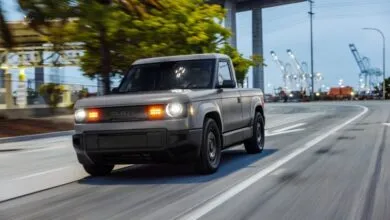
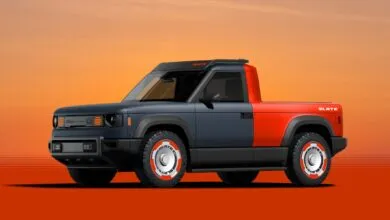
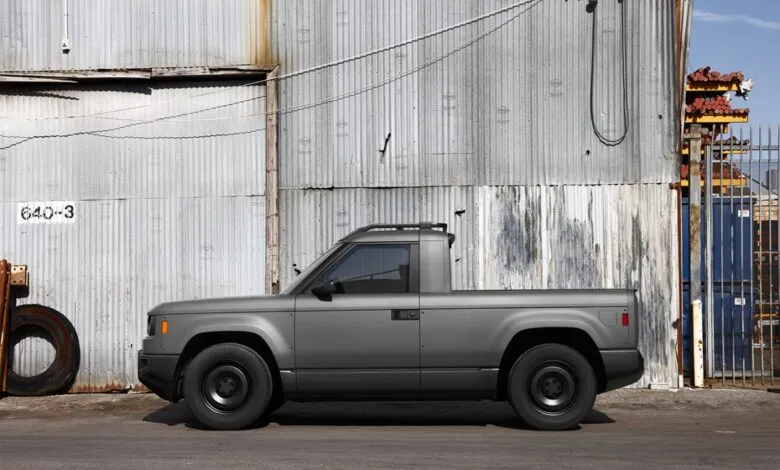
The electric vehicle landscape is witnessing a significant milestone as Slate Auto’s upcoming electric truck surpasses 150,000 refundable reservations. This figure, shared by CEO Chris Barman in a recent Q&A session, highlights sustained consumer interest in the startup’s affordable model slated for a late 2026 release. While reservations offer a glimpse into market curiosity, they are far from a guarantee of commercial triumph. The automotive industry has seen numerous EV ventures collapse despite impressive pre-order numbers, often due to insurmountable production hurdles or financial instability.
For Slate, the steady climb in reservations is an encouraging sign, indicating that new customer interest is outpacing any potential cancellations. It’s worth noting, however, that the journey from 100,000 to 150,000 reservations took approximately seven months, following the company’s public debut last May. Looking ahead, Slate faces the formidable challenge of scaling production to meet its annual target of 150,000 vehicles at its refurbished facility in Warsaw, Indiana. To achieve long-term viability, the company must significantly expand its customer base beyond current reservation holders.
This continued enthusiasm arrives at a pivotal moment for the electric truck segment. The market recently absorbed a major shock with Ford’s decision to halt production of its F-150 Lightning, the pioneering all-electric pickup that debuted just a few years ago. Ford cited insufficient profitability, a situation worsened by quarterly sales that consistently remained in the low thousands. Other entrants, including Tesla’s Cybertruck and General Motors’ Silverado EV, have also faced challenges in sustaining robust sales volumes, indicating broader headwinds for battery-powered trucks.
Slate’s strategy hinges on a fundamentally different approach. Unlike the Lightning, which adapted an existing gasoline platform for electric power, Slate’s truck was engineered from the ground up as an EV. The company’s core mission is to deliver a vehicle with a starting price firmly in the mid-$20,000 range, a stark contrast to most current offerings. The retreat of established automakers like Ford could potentially create an opening for Slate to gain an early foothold. This window of opportunity, however, may be limited. Ford itself is preparing to launch a dedicated low-cost electric vehicle in 2027, setting the stage for renewed competition in the affordable EV sector that Slate aims to dominate.
(Source: TechCrunch)